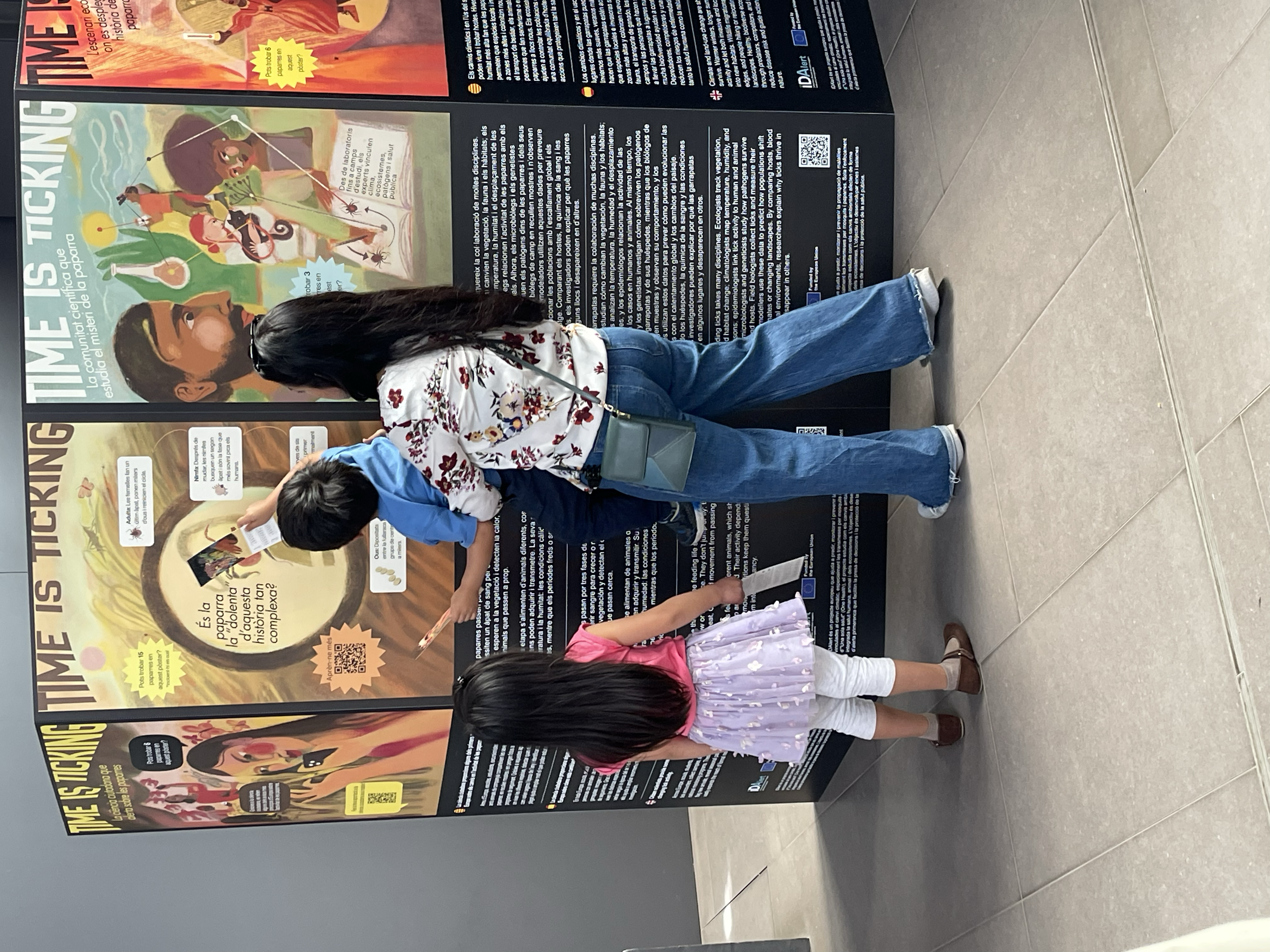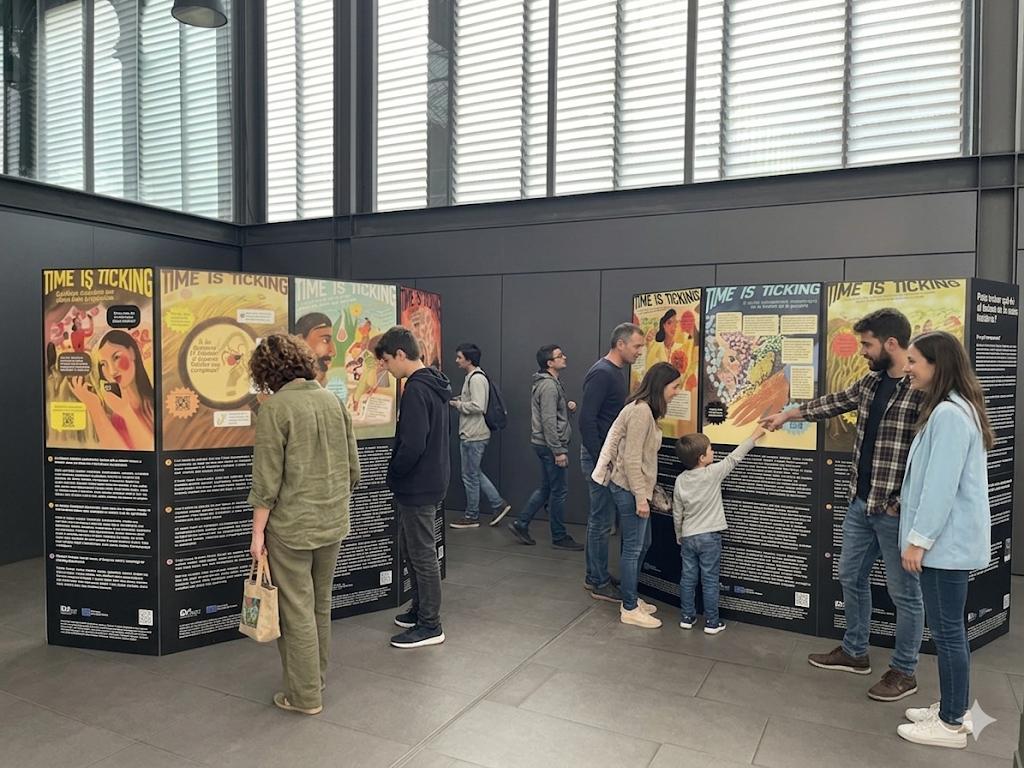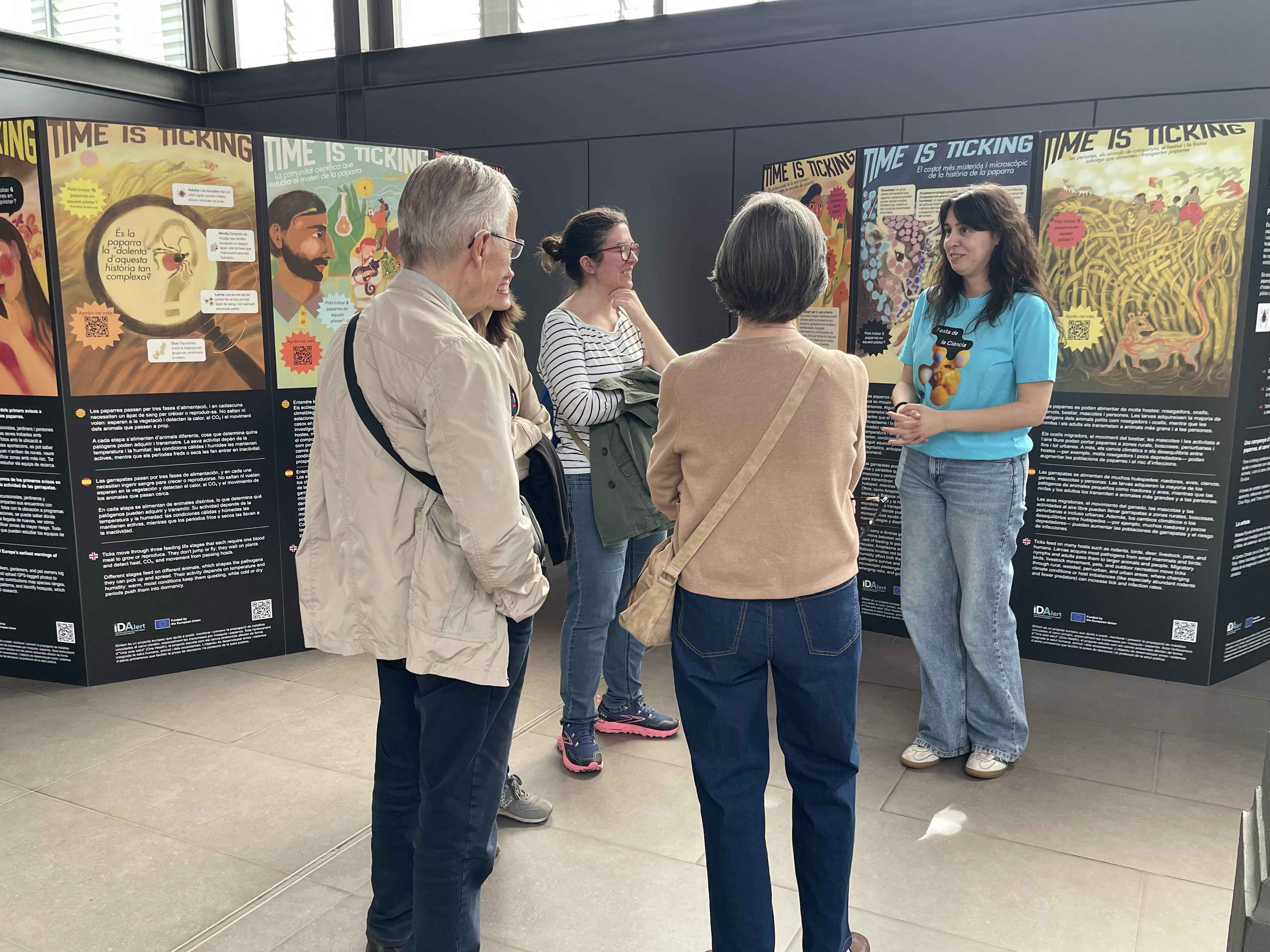

On 18 and 19 April 2026, the IDAlert project participated in the Barcelona Science Festival, engaging visitors through interactive awareness activities focused on vector-borne diseases and climate-related health risks.
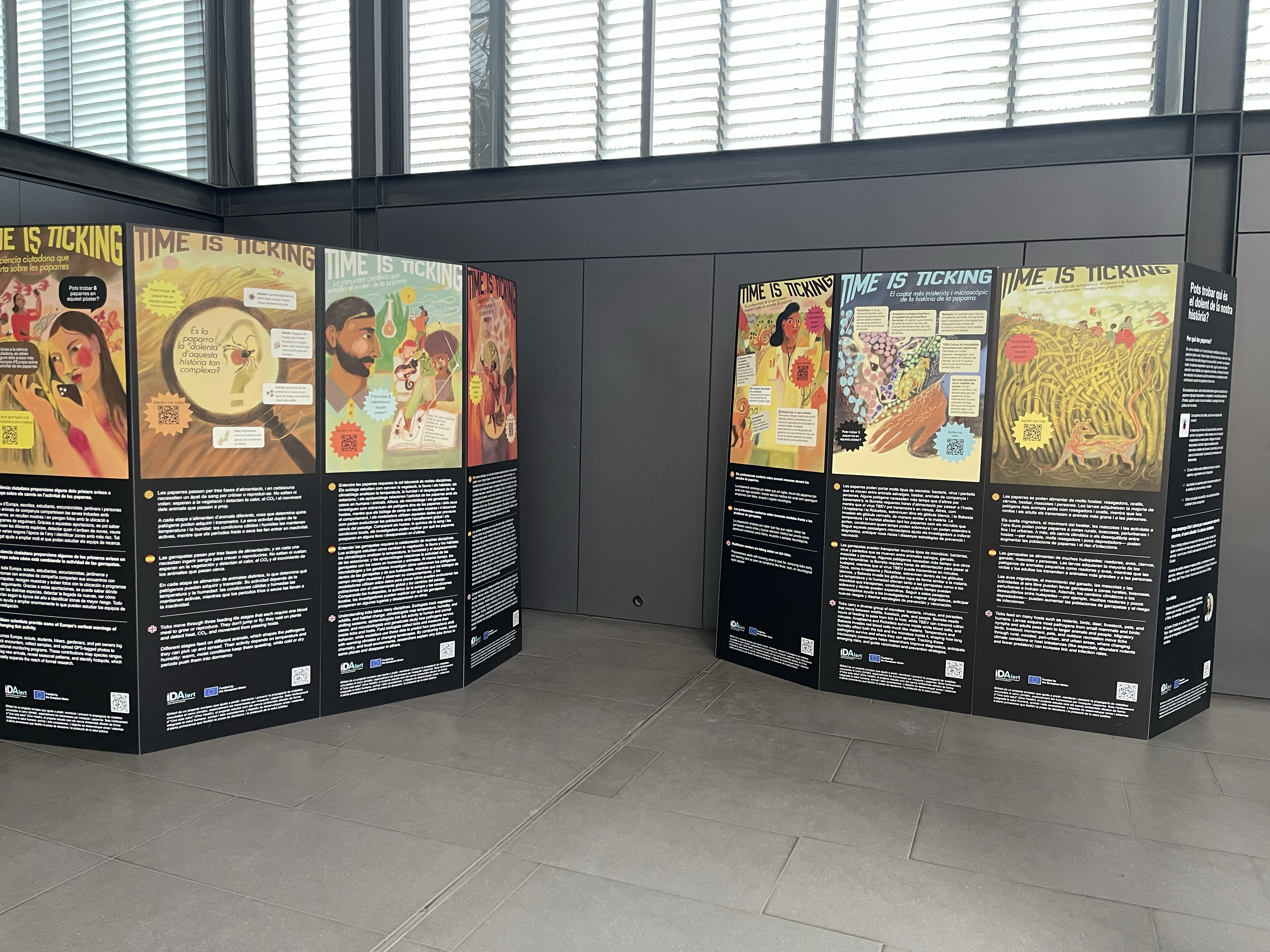
Over two days, the project hosted a public stand presenting the Time is Ticking awareness campaign, an artistic and educational initiative designed to raise awareness about the growing impact of ticks and mosquitoes on public health in Europe.
Visitors explored the campaign through the interactive exhibition available at the stand and linked to the online campaign hosted at Time is Ticking. The campaign uses art and storytelling to communicate the urgency of vector surveillance and prevention in a way that is accessible to the general public.
As part of the outreach activities, the IDAlert team also distributed seasonal bookmarks highlighting mosquito and tick activity patterns in the Barcelona area. The materials were designed to help citizens better understand when vector activity is highest throughout the year and encourage preventive behaviours during peak seasons.
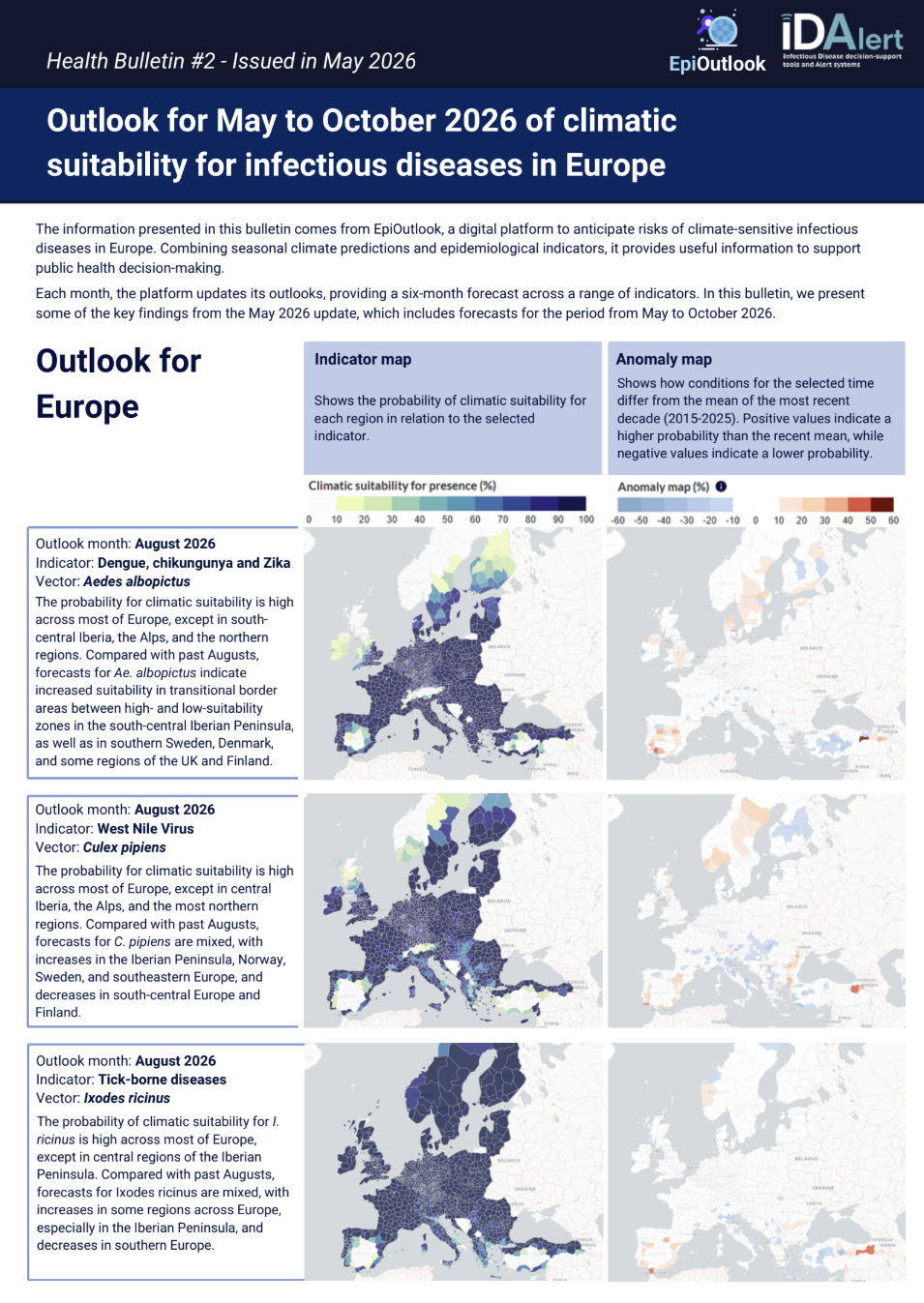
The festival also provided an opportunity to highlight IDAlert’s ongoing work in Barcelona, one of the project’s important case study locations. In the city, project partners are conducting a storm drain trial to monitor and better understand mosquito breeding dynamics in urban environments. Storm drains are recognised as important breeding sites for mosquitoes in Mediterranean cities, particularly during warmer months, making them a critical focus for surveillance and control strategies. More information about the trial here.
“One of our main goals was to create conversations with citizens in an accessible and engaging way. Seeing people stop, ask questions, and interact with the campaign showed how important accessible science communication really is. By combining art, science communication, and local research, we were able to connect with audiences that would not normally engage with vector surveillance or public health projects, and create a space where research could move beyond academia and connect directly with the community.”
— Chloe Chavardes, Communication Manager of the IDAlert Project
Participation in the Barcelona Science Festival reinforced the importance of connecting scientific research with public engagement. By combining science communication, local field research, and community interaction, IDAlert aims to strengthen awareness and preparedness against emerging vector-borne disease risks across Europe.