

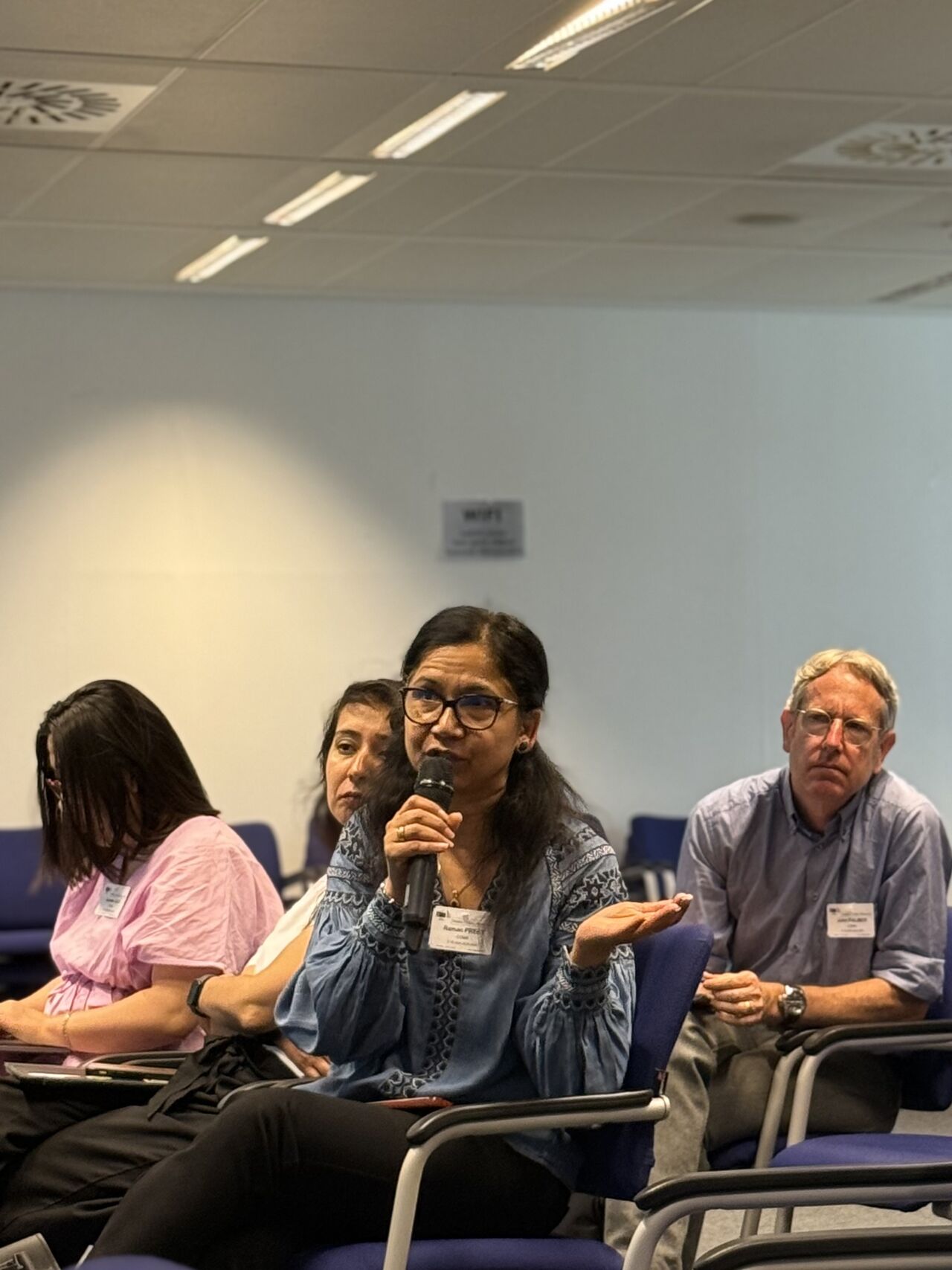
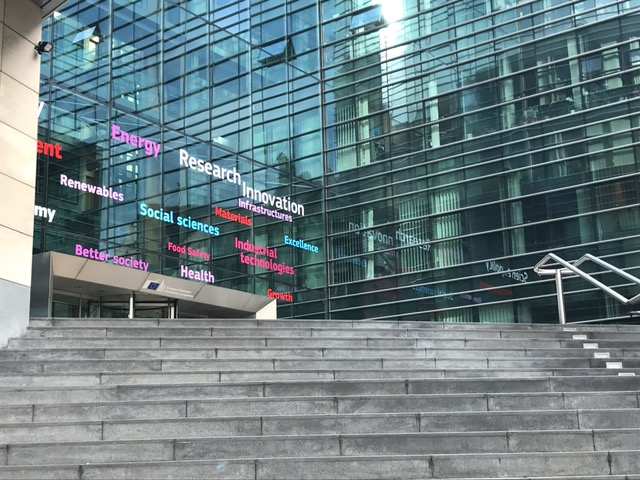
An interview with Raman Preet On 27-28 May 2026, Brussels became the meeting point for some of Europe’s leading researchers, innovators, and policymakers working at the intersection of climate change and health. Over two days, the European Climate-Health Cluster — a Horizon Europe collaboration bringing together six pioneering projects (IDAlert, CLIMOS, BlueAdapt, HIGH Horizons, TRIGGER, and CATALYSE) — met for its final annual cluster meetings. Day one brought together the six project teams for an internal working session, sharing progress, aligning on joint activities, and strengthening the scientific collaboration that has developed across the cluster since its launch in October 2022. Day two opened the doors wider: “Looking Forward: Synthesis and Future Directions” welcomed external stakeholders to engage in six thematic sessions spanning climate and health challenges, early warning systems, monitoring indicators, real-world solutions, science communication, and policy recommendations. The two-day format reflected exactly what the cluster stands for — rigorous internal science paired with meaningful external dialogue. IDAlert was well represented across both days, with Raman Preet (Umeå University), IDAlert’s cluster coordinator, playing a central role in the proceedings. We sat down with her to reflect on what these meetings meant for the project and the broader climate-health agenda. As IDAlert’s cluster coordinator, what does your role involve and how did that role come to life during these two Brussels meetings? Raman Preet: For me, the role of a coordinator is to bring people together, support the team, and lead by doing what is needed. As these were the final cluster meetings, my focus was on showcasing the outstanding work carried out in our project by our partners across the consortium. The cluster is organised into five working groups, and IDAlert co-leads three of them. This meant that we were not only actively involved in those three sessions, but also contributed across all six sessions through the evidence, outputs, and collaborative work we were able to share. On Day 1, the internal cluster meeting, what were the most valuable conversations or moments? Raman Preet: The internal day felt like the coming together of six projects as one cluster. All six coordinators presented their work in an atmosphere that resembled a scientific peer-review process — colleagues asking thoughtful questions, critically reflecting on findings, and recognising each project’s efforts and outputs. Open discussions and a willingness to share experiences shaped the day. Rather than focusing on challenges, the meeting highlighted how far the cluster has evolved. The uncertainty present at the beginning has gradually transformed into mutual trust, appreciation, and respect for the value of working together as a cluster. The second day was structured around six thematic sessions with external stakeholders. Which session felt most energising or produced the most unexpected insights, what does it mean in practice to bring policymakers and researchers into the same room for these discussions? Raman Preet: The first session was especially meaningful for me because, for the first time in four years, we presented as working groups and on how they had cooperated across the cluster. The WG co-leads spoke on behalf of their groups, bringing the operational reality of the cluster model into the room. It was energising to hear how the initial scepticism and unfamiliarity had evolved into functional spaces for discussion and co-production. Together, the working groups produced 13 joint outputs, including the cluster’s visual identity, communication and scientific strategy, policy briefs, thematic workshops, and newsletters. Over the day, the discussions reinforced something we often acknowledge: policymakers and researchers speak different “languages,” yet both sides benefit from continued dialogue and mutual learning. I am a strong believer that bringing them into the same room creates an opportunity not only to present evidence, but also to listen. While each side enters with different perspectives and/or priorities, there is a shared understanding that the common goal is to support public good through informed action and decision-making. An important takeaway from the day was the recognition that individual projects or policy briefs alone may not drive change. However, a collective voice, shared findings, common challenges, and recommendations can significantly strengthen reach and impact. In this sense, the cluster approach stands pivotal, and the two joint policy briefs were acknowledged as important collective outputs IDAlert focuses on infectious disease decision-support tools and early warning systems. Were there any IDAlert findings or tools that generated particular interest from the external stakeholders? IDAlert will complete its four-year project cycle in May 2026, with one final year still ahead. During the meeting, two key tools – the EpiOutlook platform and the Mosquito Alert App – were presented by the partners leading their development. Both received strong interest and recognition, and were discussed as practical solutions to follow closely. Several other outputs also generated considerable interest, including IDAlert’s contribution to the Lancet Countdown Europe indicators, the Citizen Science initiative, the Tick Campaign, and the Cartoon Book. Together, these examples reflect the project’s commitment to combining scientific evidence with accessible and practical public engagement approaches. The event was titled “Synthesis and Future Directions” — with the cluster nearing the end of its funded period, what do you see as the most important legacy it needs to leave behind? I believe the cluster is already leaving an important legacy. The event showcased not only the achievements of the individual projects, but above all the added value of working collectively as a cluster. A particularly meaningful moment was hearing our Policy Officer, in the closing remarks, describe the cluster as a flagship initiative within EU-funded climate change and health research adding that, “Our success in driving forward research policies on climate change and health is built on the work of the research community and the cluster has given us, and hope will continue to give us, a lot of ammunition to defend this research area”. I see this as a strong recognition of the collaboration, co-creation the projects exemplify, and collective impact built over the four years. What’s your personal takeaway from these two days — something that surprised you, inspired you, or that you’ll be thinking about for a while? This question takes me down memory lane. These meetings took place in the European Commission’s CDMA building, a place that holds special meaning for me. I came here for the first time in June 2016, when we were awarded a €12 million grant for an infectious disease research project and invited to begin the Grant Agreement Preparation Process. At that time, it was announced that we would collaborate closely with two other Horizon 2020 projects through shared work packages – an early experience of structured collaboration across projects. The project was later recognised by the Commission as an exemplary international cooperation in health research. Ten years later, leaving the building made me reflect once again how strongly I believe in the power of collaboration – embracing “we” over “me.” It reaffirmed why I do this work. Excellent science alone is not enough; it also requires effective implementation and communication to create the impact we aspire to in multidisciplinary, multi-partner EU research and innovation projects.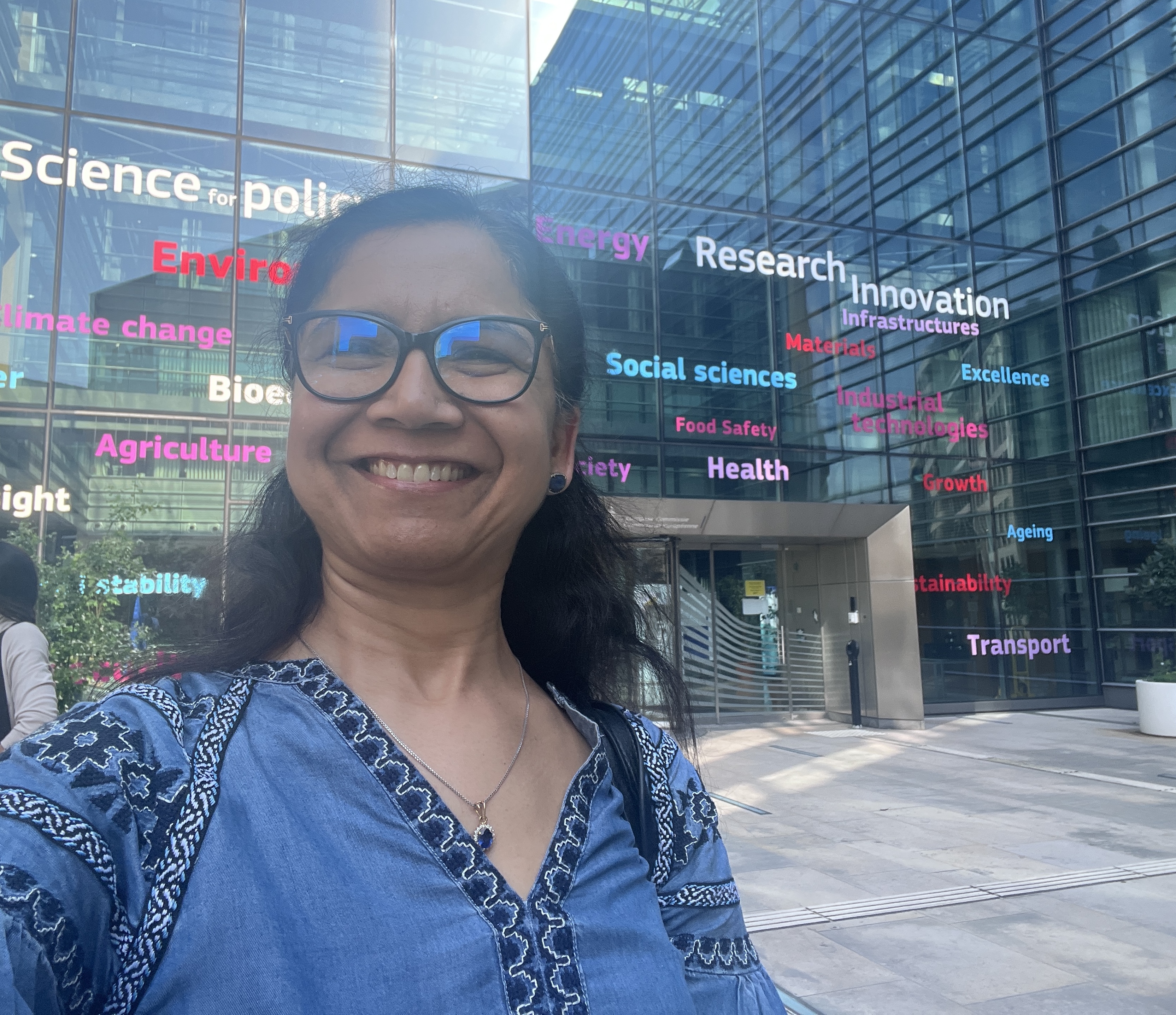
IDAlert at the heart of the European Climate-Health Cluster
Related posts
July 2, 2026
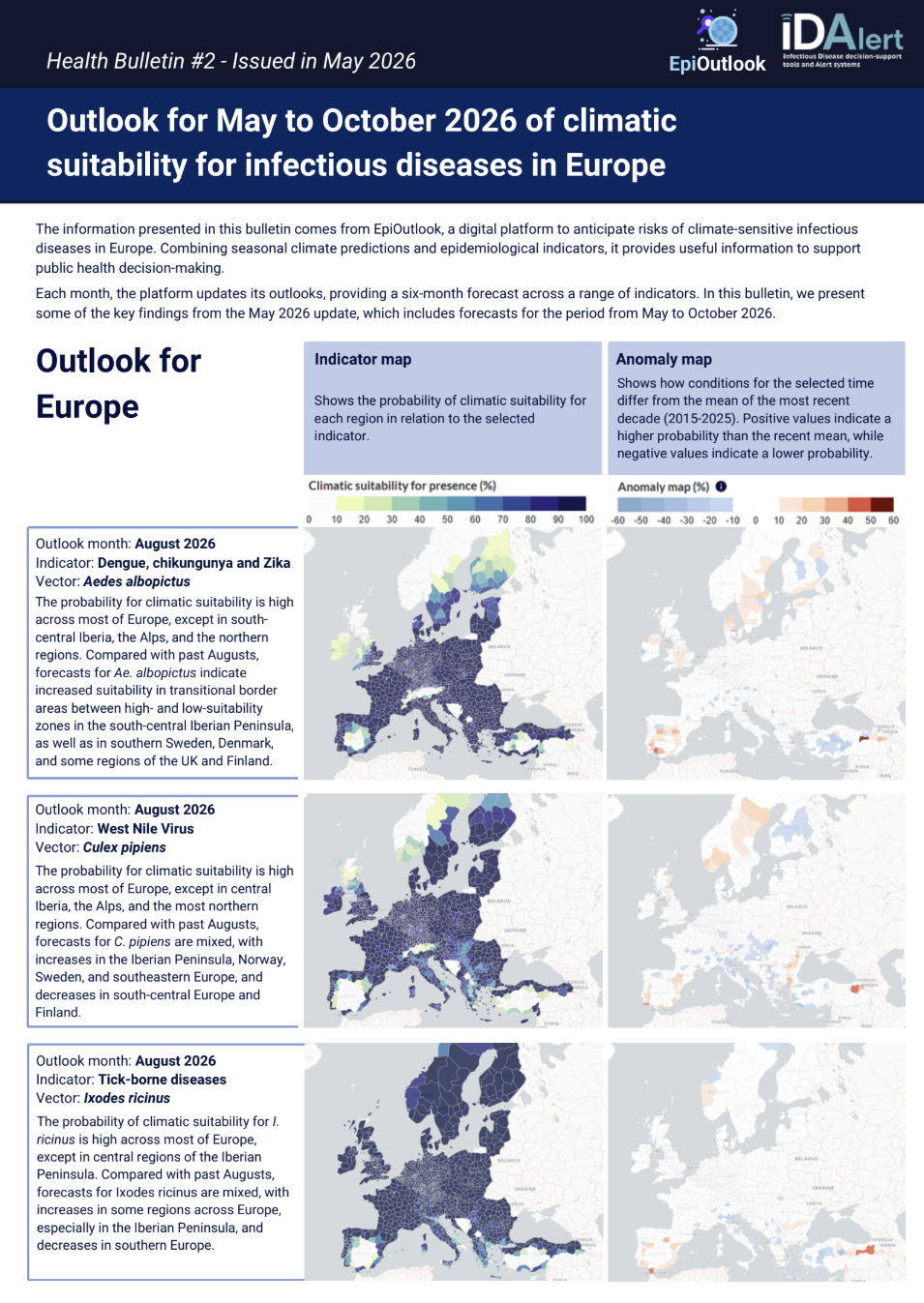
New: Second Climatic Health Bulletin
July 2, 2026