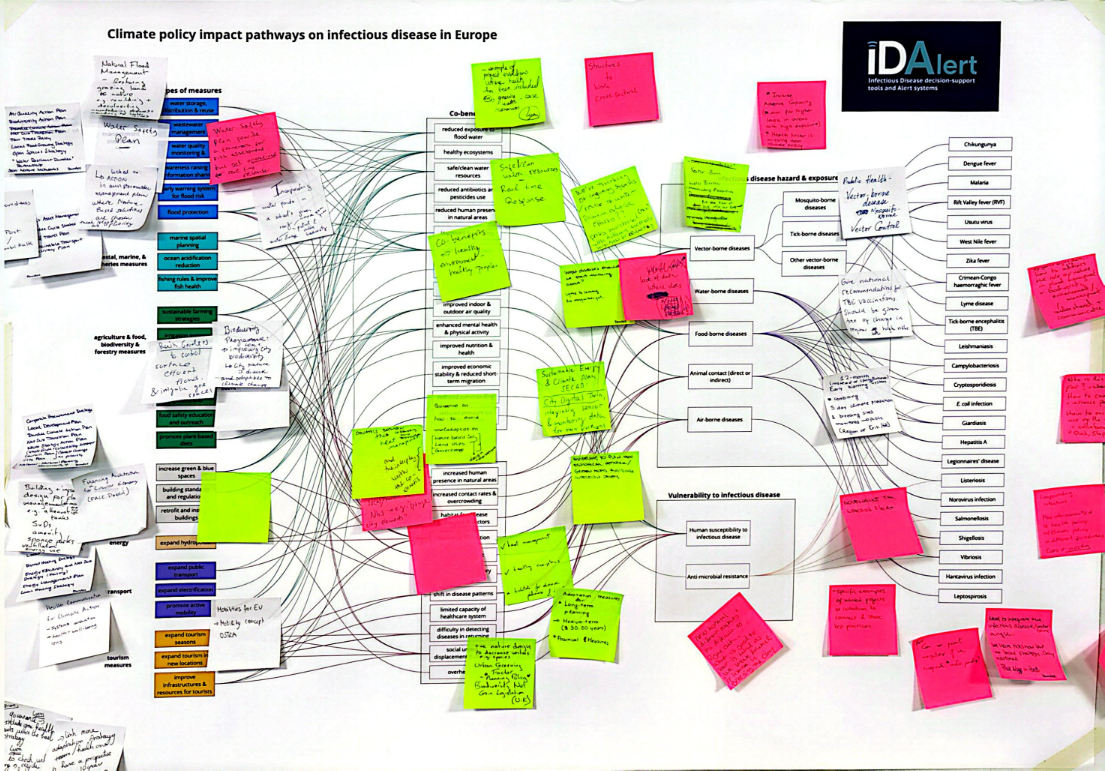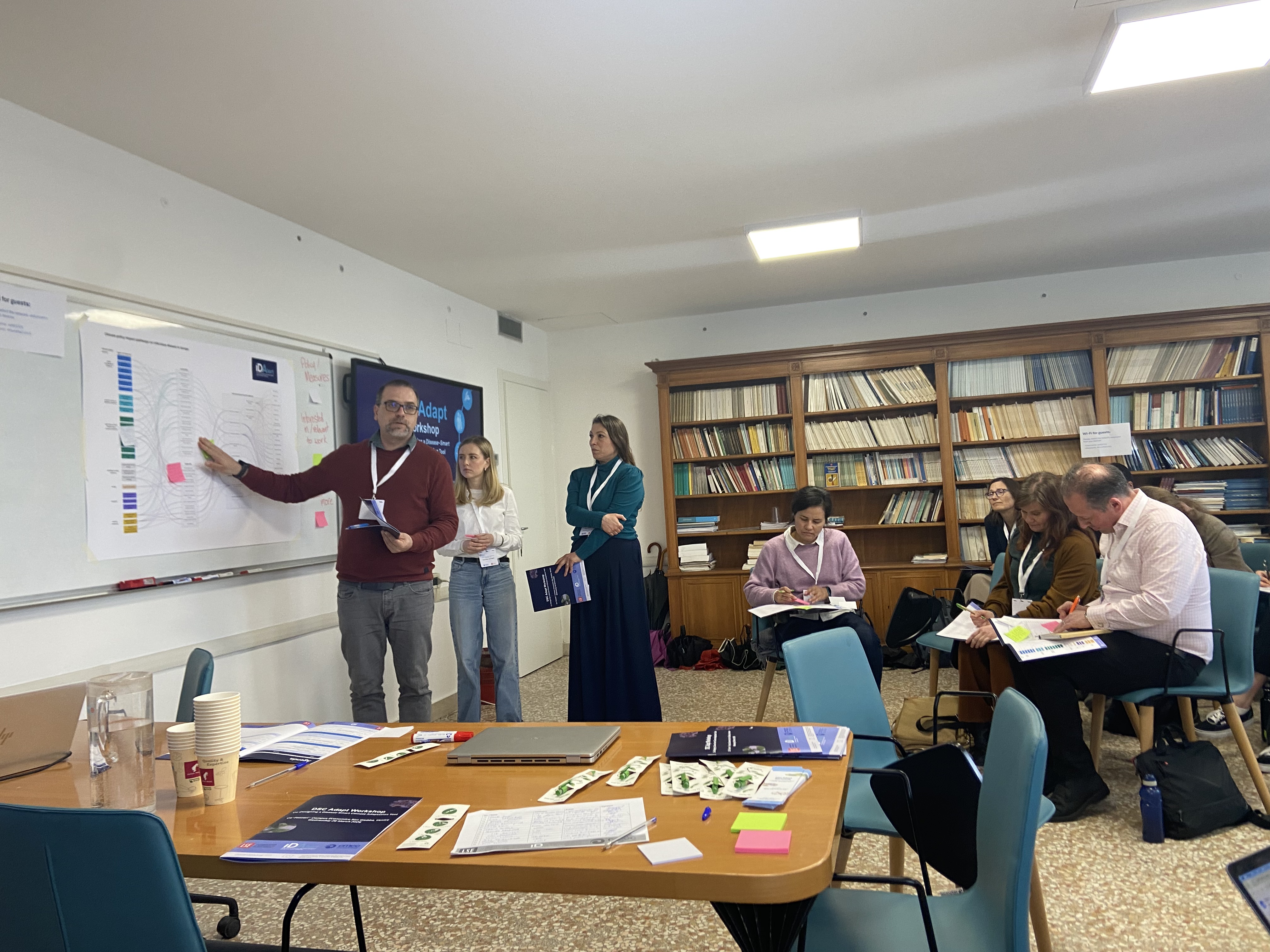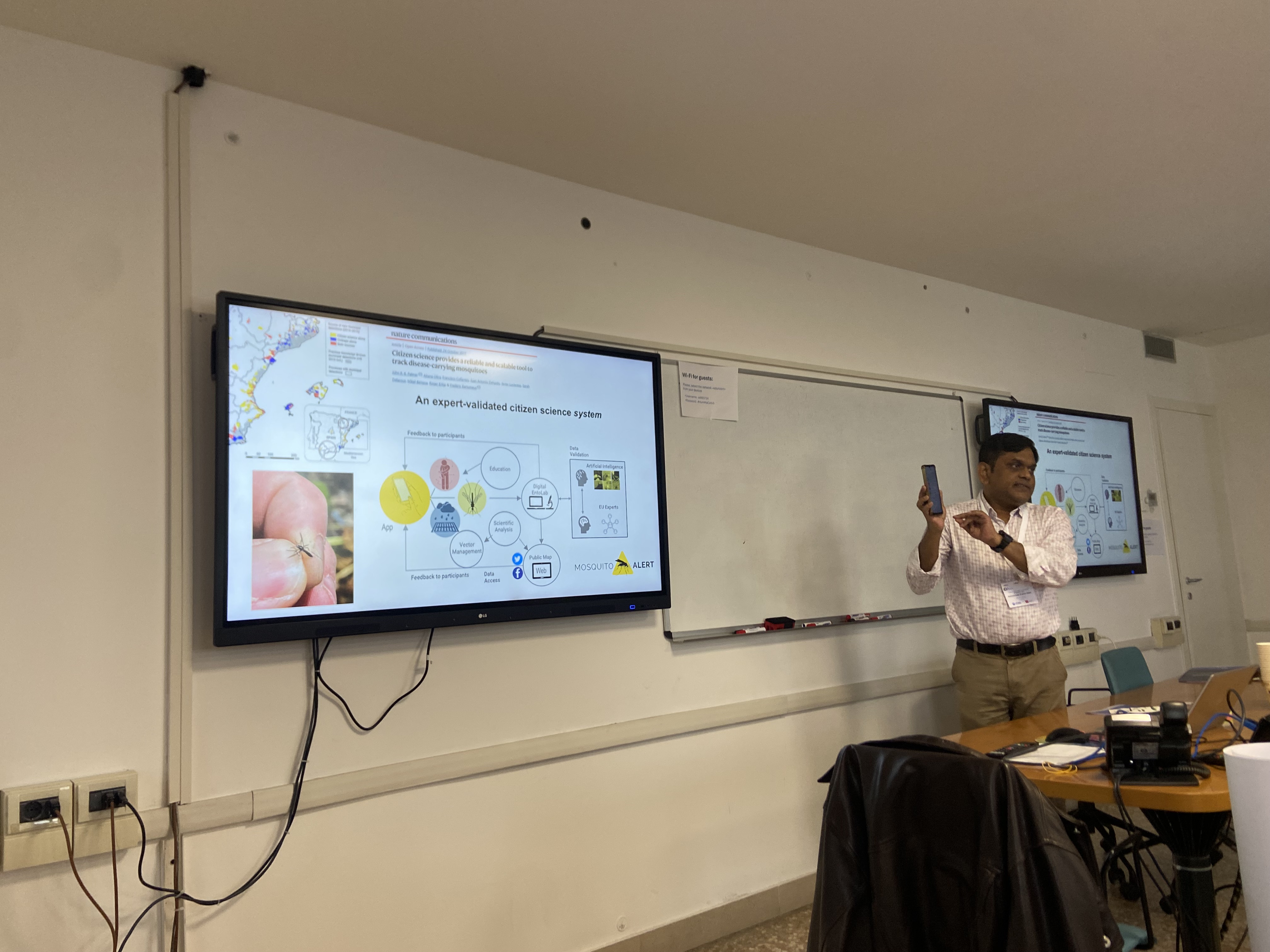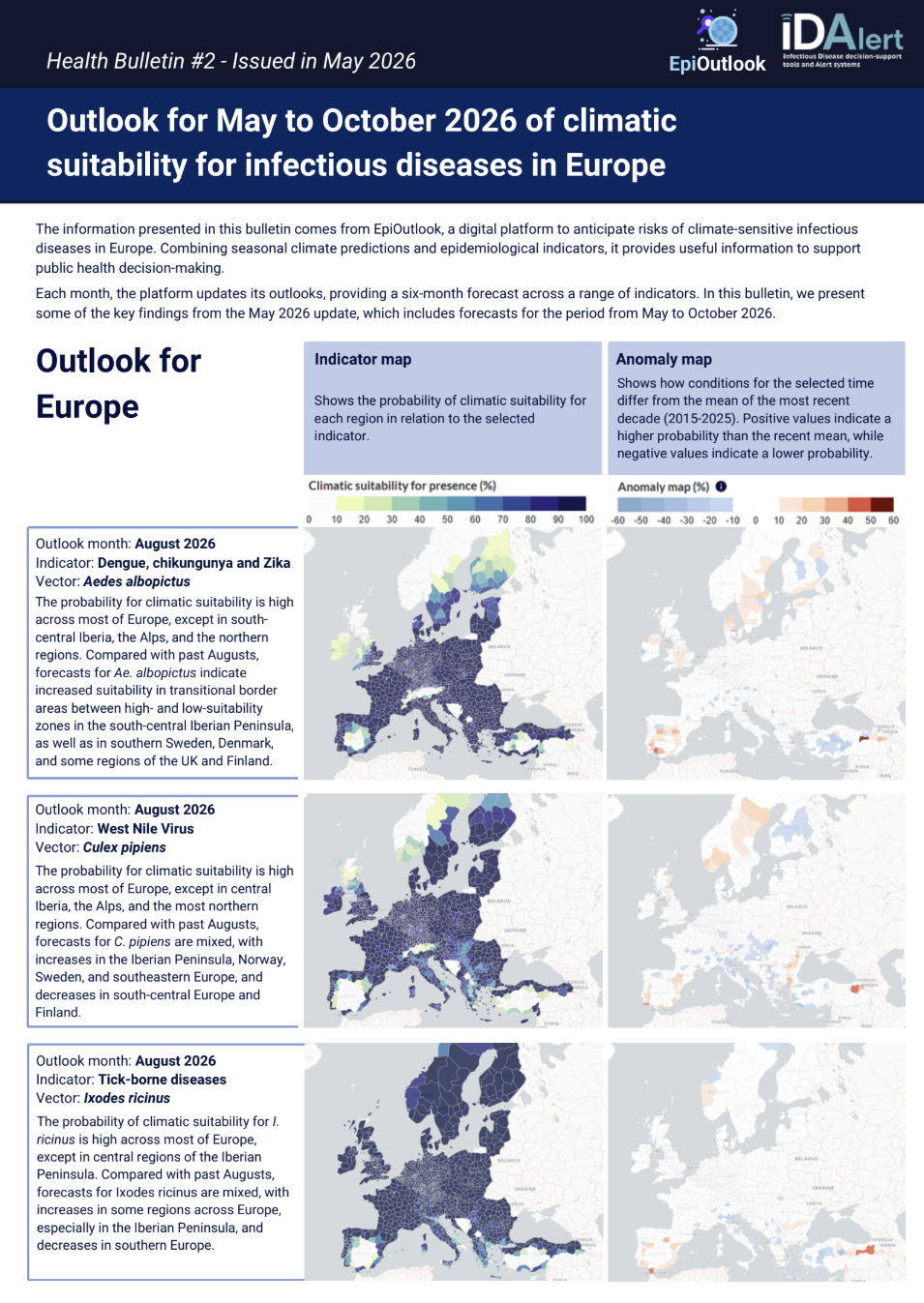

Last month, the IDAlert Work Package 2 team hosted a collaborative workshop with European climate policymakers to co-design a “disease-smart” climate adaptation decision support tool (DST).
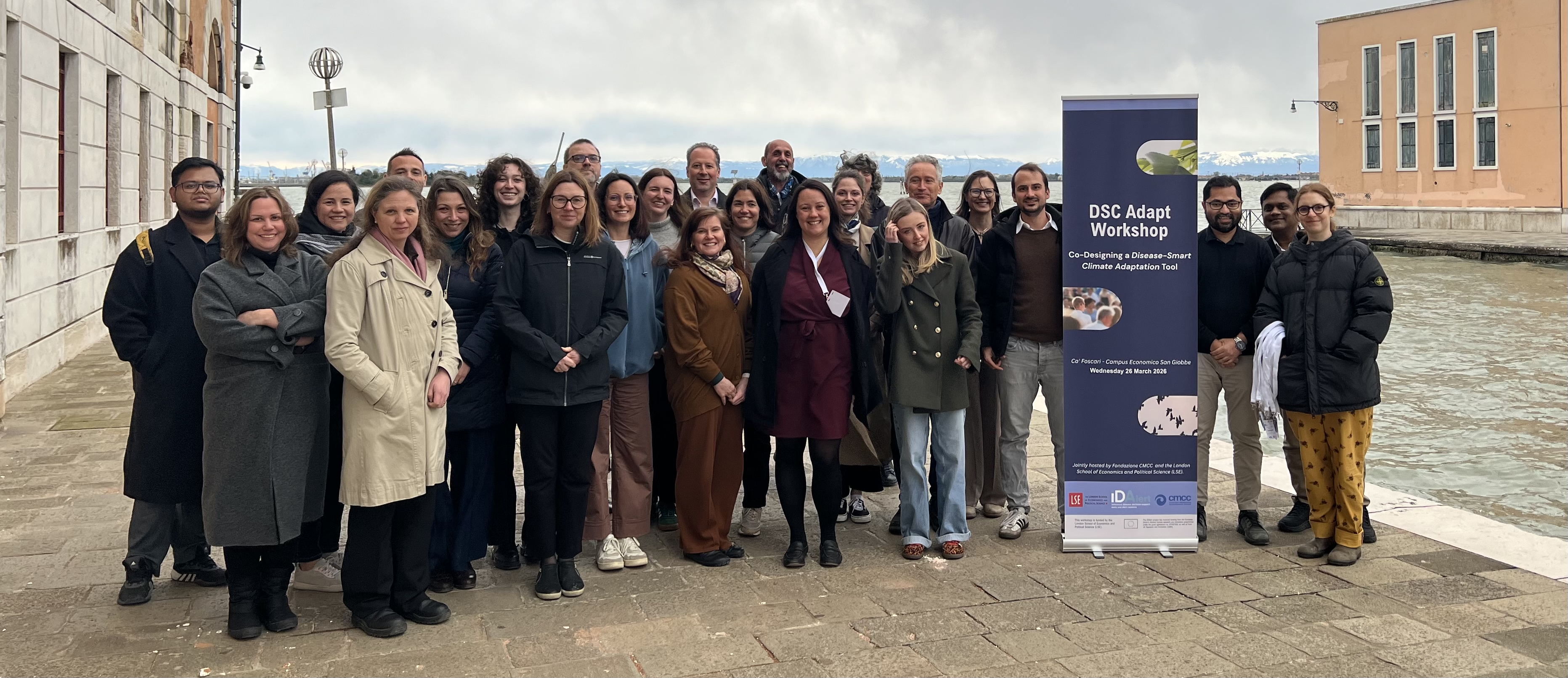
Hosted by the London School of Economics with the support of the CMCC Foundation, the event, held on 26 March 2026 at Ca’ Foscari University in Venice, brought together 25 participants from 10+ European countries to tackle a critical challenge: how to ensure that climate action doesn’t lead to unintended infectious disease risks.
Experts from sectors including water management, urban planning, and public health joined the workshop to discuss how IDAlert’s research on the link between adaptation practices and infectious disease risk can inform smarter climate action.
Presentations by experts from the ID Alert Consortium, including researchers Prof. Jan Semenza (Umeå University), Dr. Mohammad Shafiul (icddr,b Bangladesh), Dr. Antonios Michaelakis (Benaki Phytopathological Institute) and Joao Encarnacao (Irideon), set the scene with cutting-edge research and case studies from Europe and beyond, illustrating how climate change is reshaping infectious disease profiles and emphasising the urgent need for European countries to prepare for these modifying risks.
A highlight and central objective of the event was the presentation and testing of the DST prototype: a “disease-smart” AI-integrated decision support tool. This functional tool is designed to answer relevant queries and help users understand infectious disease risks specific to their sectoral climate measures, geographical areas, and territorial contexts. The prototype was received with ample curiosity and interest, and the extensive feedback gathered will be vital in refining the tool for future use.
Thanks to all participating stakeholders – it’s this type of cross-sectoral collaboration that helps research to inform policy and allows us to translate important science into health-conscious climate action!