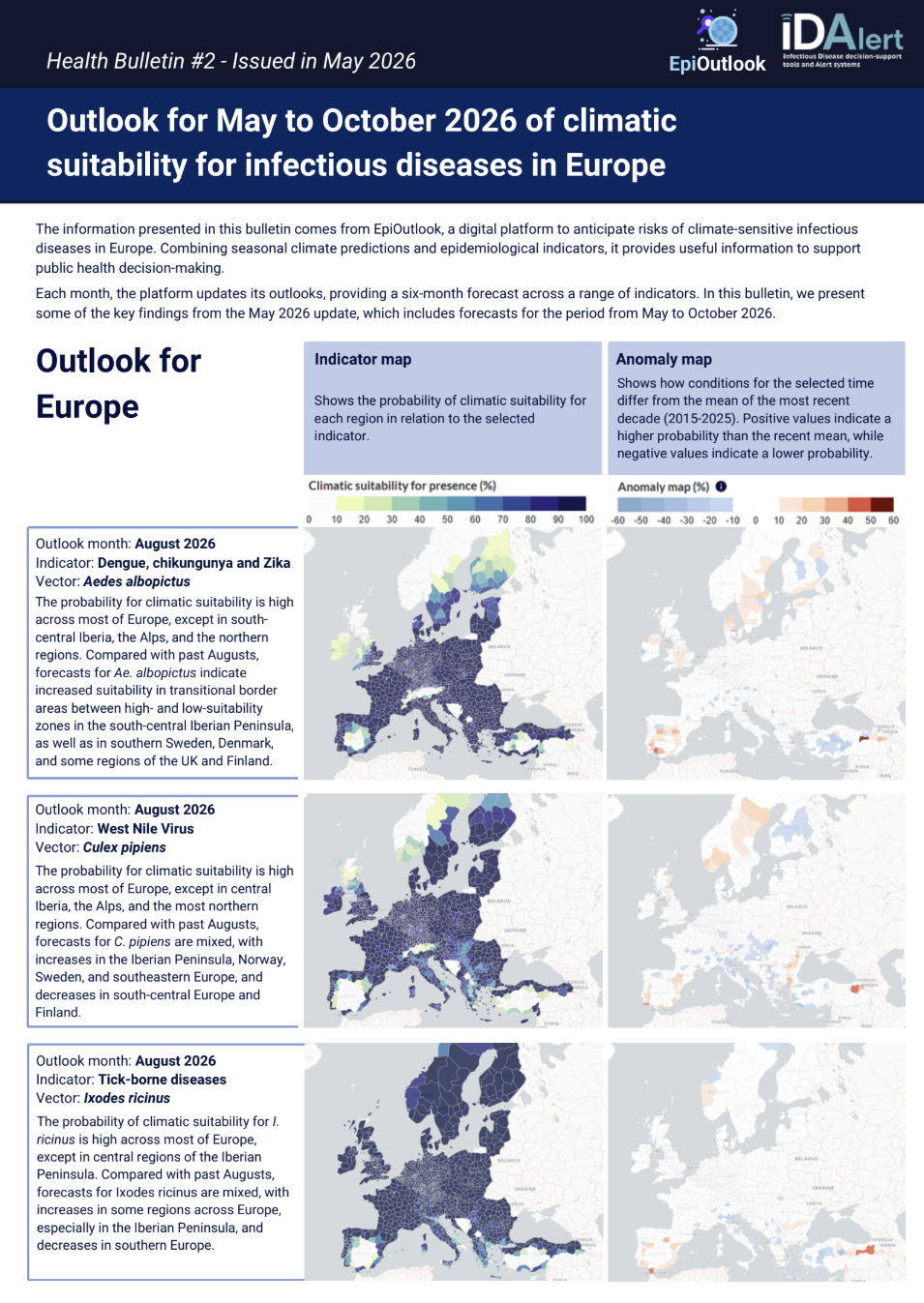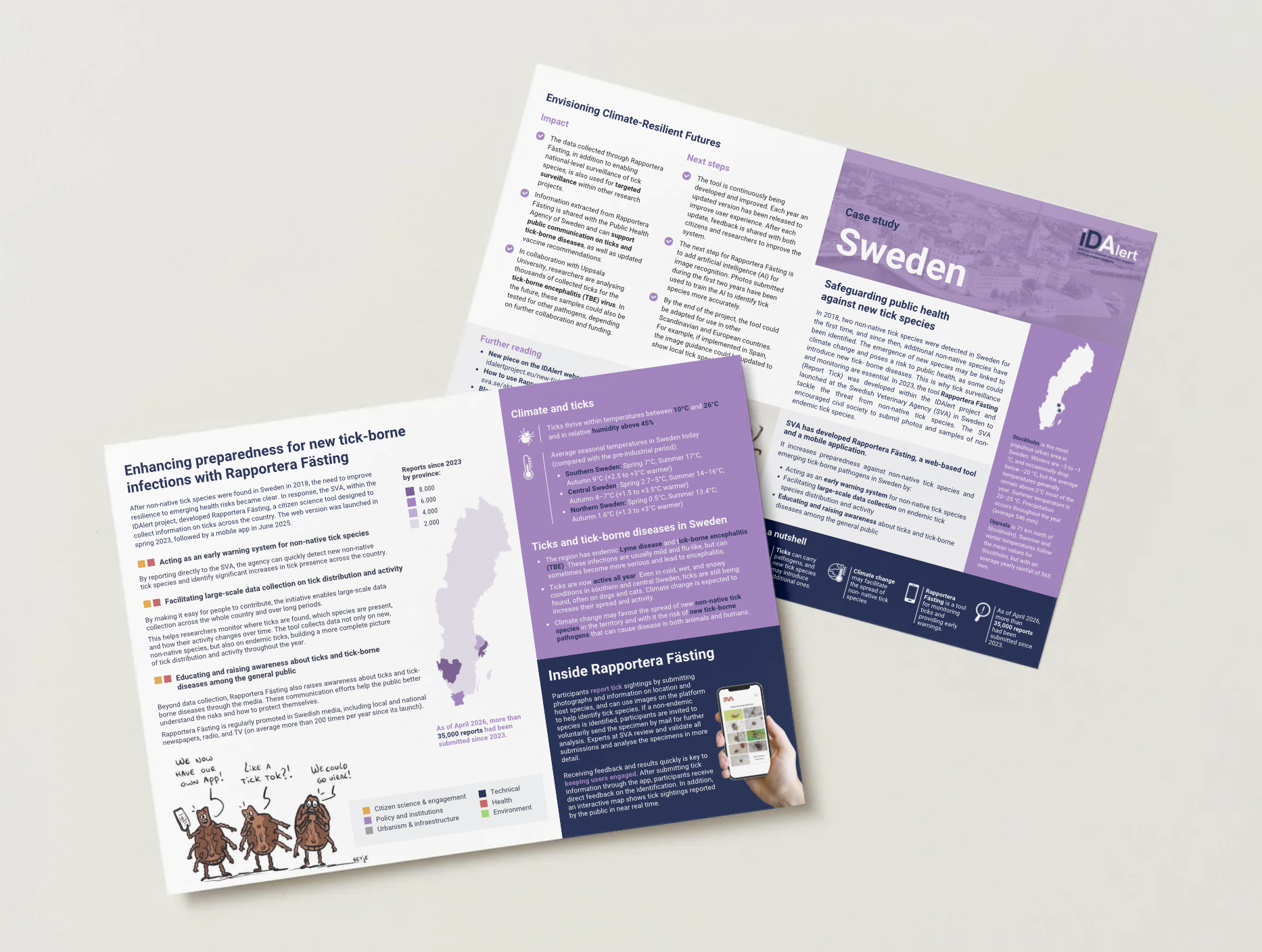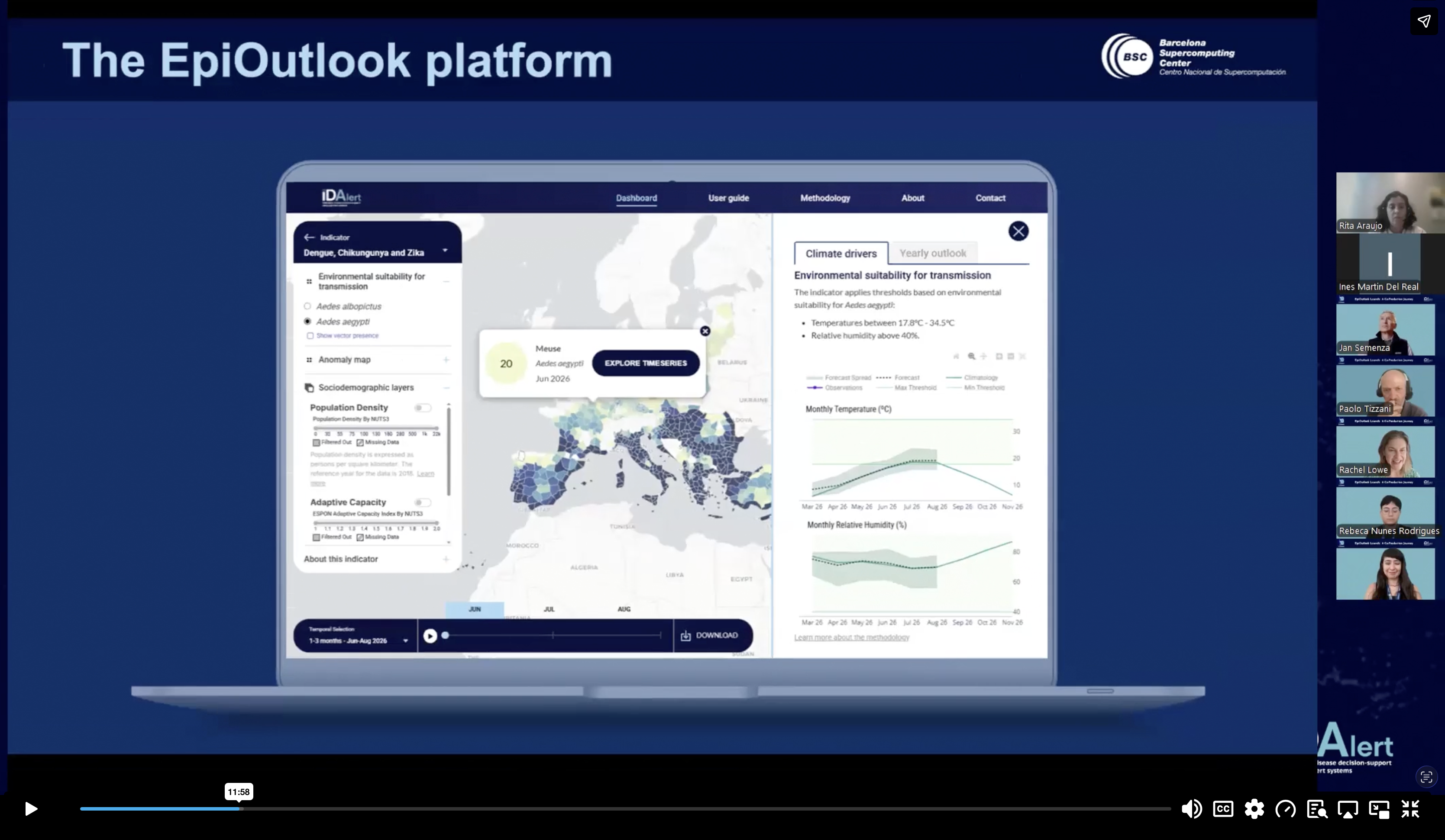
Across Europe, there’s a growing sense of vigilance under the forest canopy. It can be felt across grassy fields and along park paths. Even in backyard gardens, a new unease is taking root. At the center of it is the tick, a tiny arachnid. But focusing on the tick alone removes critical complexity from this story.
At first glance, the plot seems clear: ticks are driving rising cases of illnesses such as Lyme disease, tick‑borne encephalitis, and other pathogens increasing and spreading into Europe due to changes in precipitation, temperature, and humidity. How exactly do environmental forces and human behaviors create the stage for tick encounters? And what counter‑forces are emerging to meet this One Health challenge?
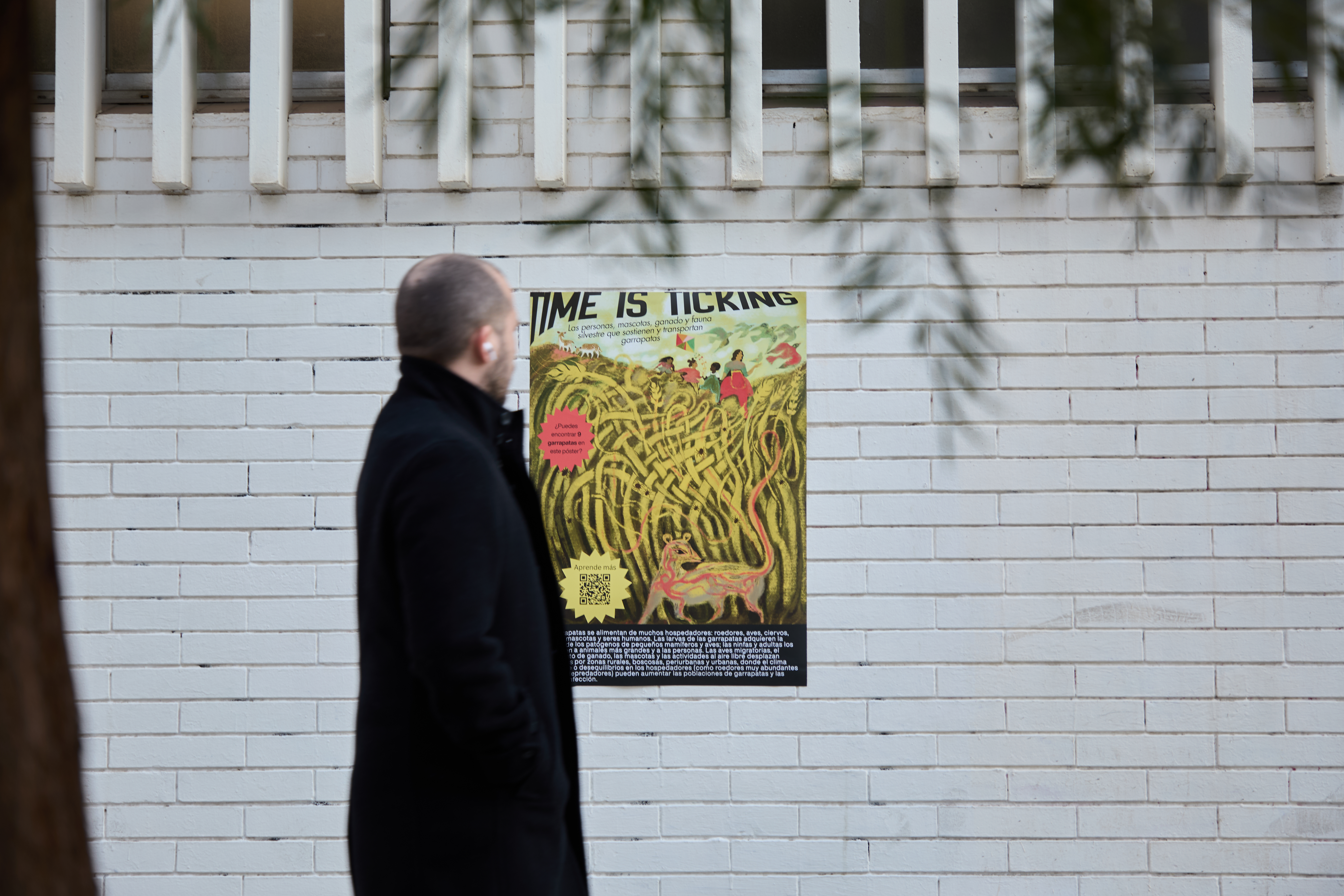
In January, a small poster installation was tested in Barcelona with a local photographer. This effort was intentionally limited in scope and designed to explore how the materials function in real public spaces before any broader rollout. This work builds on the important climate‑ and health‑risk awareness efforts already underway in Catalonia, where the Spanish Red Cross has been actively supporting communities facing climate‑sensitive health threats. As the campaign grows, the Climate Centre and IDAlert community are seeking to work closely with the Spanish Red Cross, Red Cross National Societies across Europe, and other IDAlert partners to finalize the materials and share throughout at-risk communities.
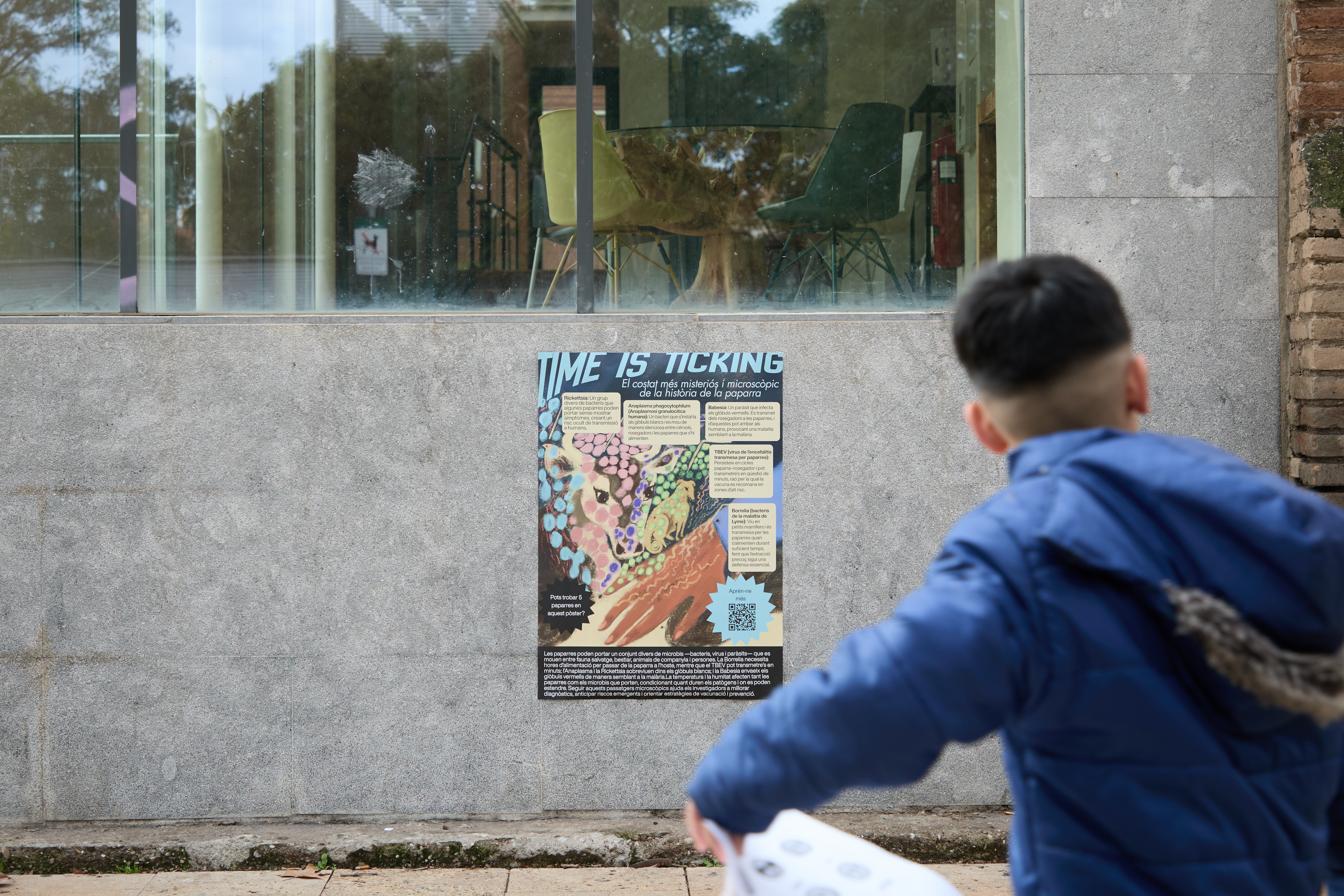
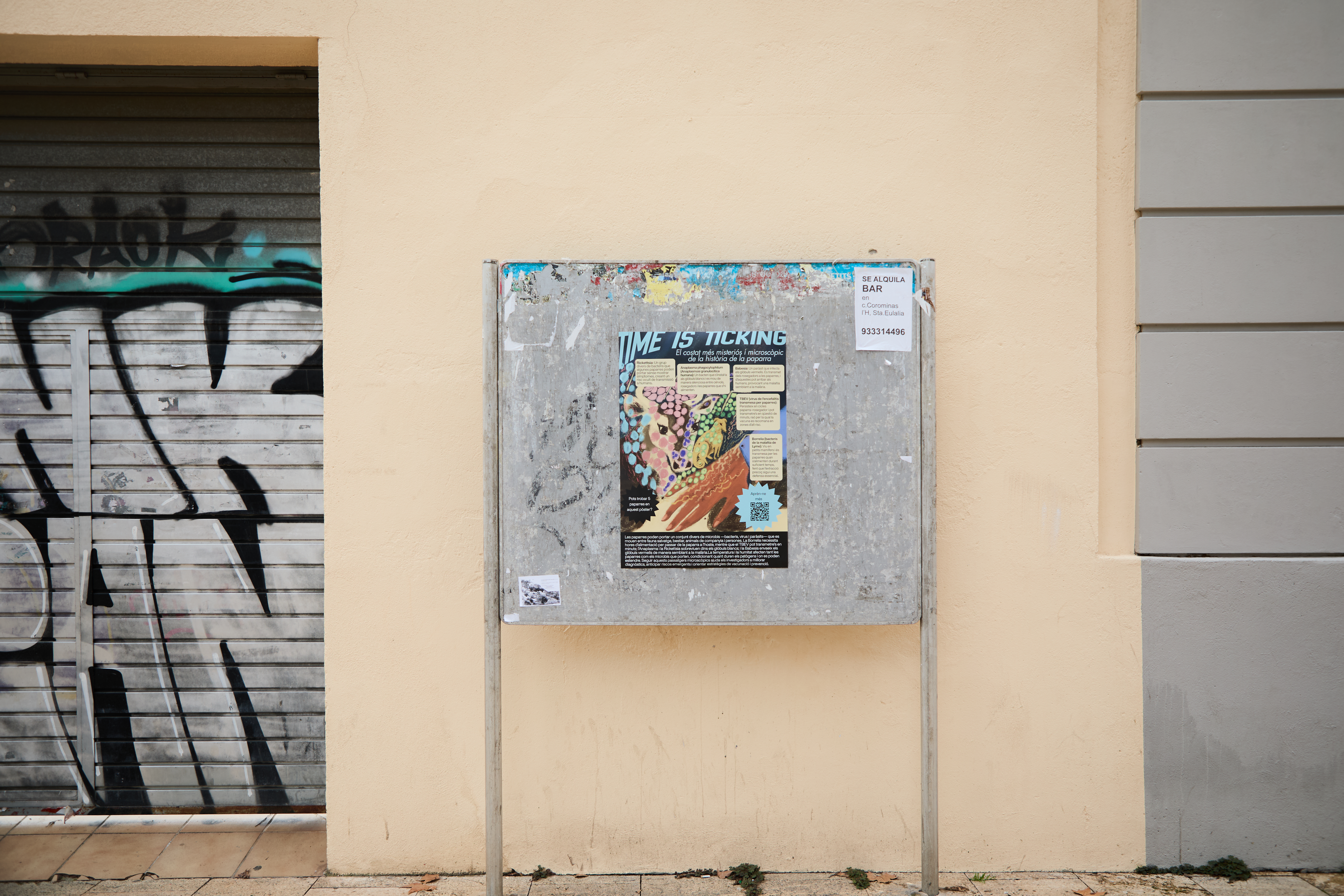
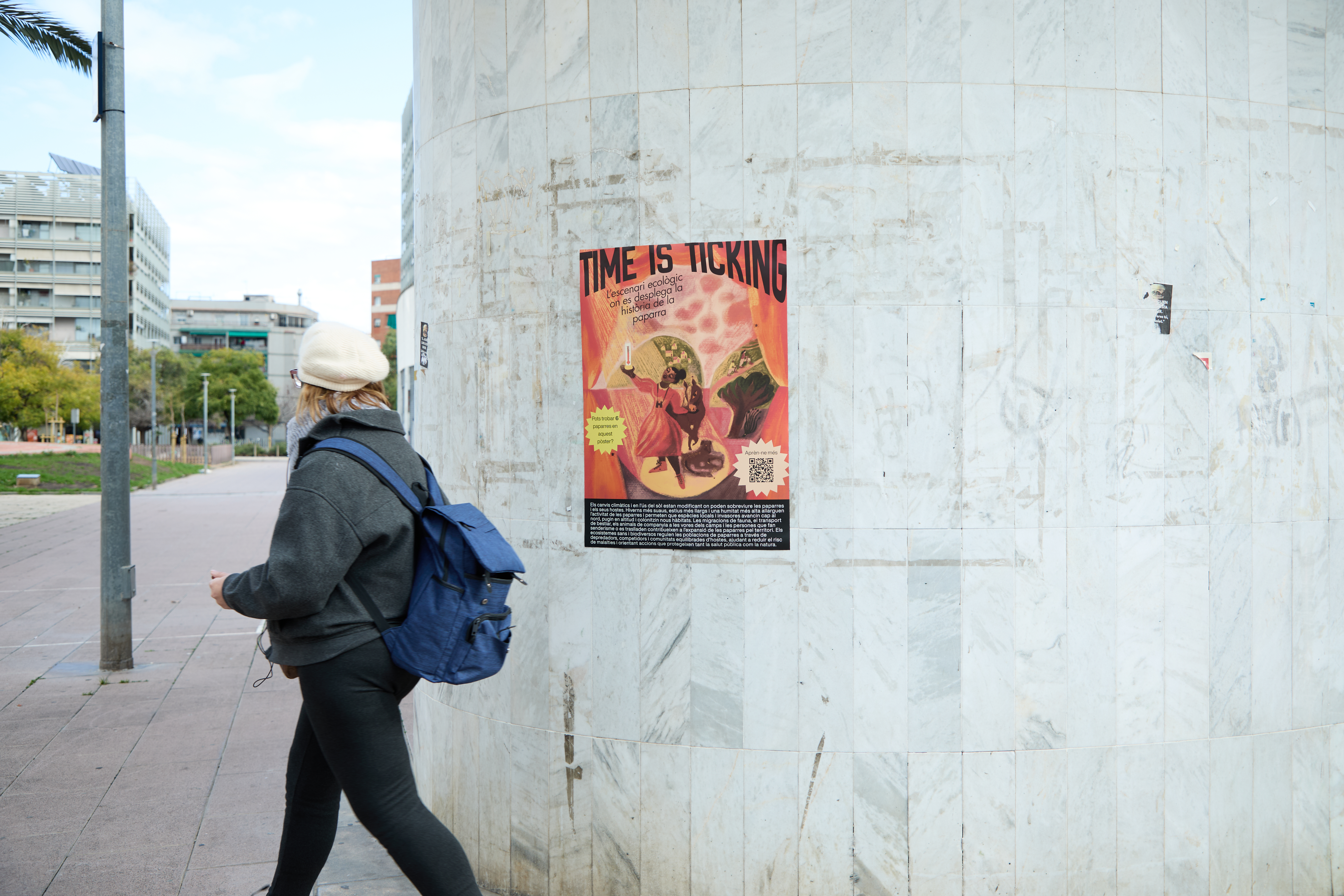

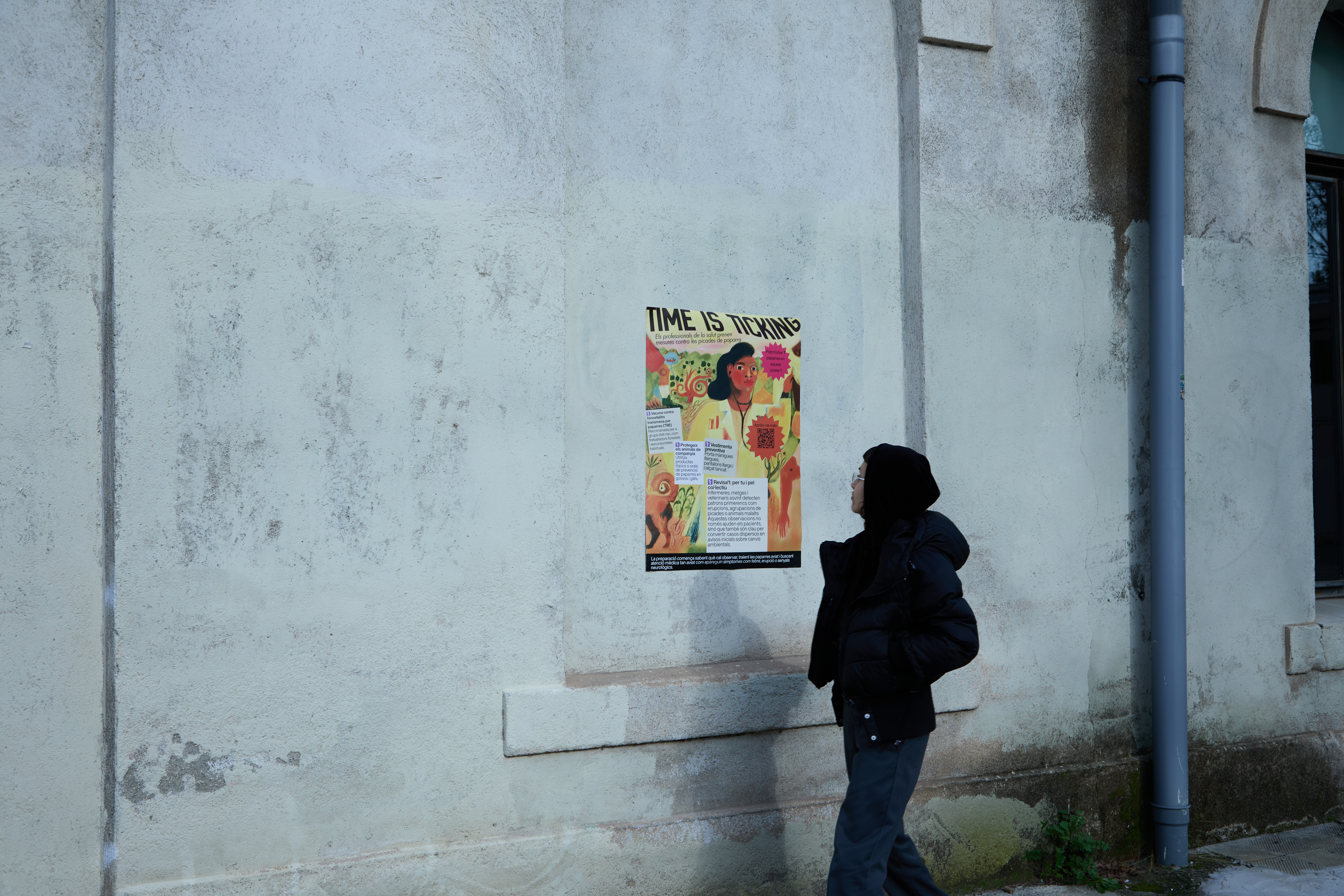

Created with the IDAlert community, the campaign offers an open‑air mystery where passersby play detective: how much are hosts (birds, wild animals, grazing livestock, pets, humans) responsible? Or perhaps the central character isn’t the tick at all, but the changing ecosystem shaped by the climate crisis. Clues scattered across the posters help viewers piece together the bigger picture. A QR code leads to guidance on protection, early tick removal, and where to seek care.
“IDAlert connects the dots between climate change, shifting ecosystems, and emerging health threats. Time is Ticking puts that knowledge into people’s hands, helping them stay safe while contributing to the research that protects us all,” says Chloe Chavardes, IDAlert Communications Manager.
But the campaign isn’t just about raising awareness. It aims to show that tick threats do not have to prevent us from participating in nature; in fact, when well protected, everyone can use their heightened awareness to contribute to scientific understanding of a rapidly changing tick‑borne disease landscape through citizen science efforts.
“We wanted to create materials that lure people in, and then turn curiosity into participation,” says Rebeka Ryvola de Kremer, artist-in-residence at the Red Cross Red Crescent Climate Centre.
“Ticks can seem terrifying, especially if we have personal experience with tick-borne disease. But people can play an important role in addressing tick challenges: when citizens start to report the ticks they encounter, they can help scientists understand how the landscape is shifting. Citizen science equals real contribution and agency,” says Anna Omazic, senior researcher at the Swedish Veterinary Agency, working in IDAlert and coordinator of the citizen science initiative Report Tick.
The posters also star a growing network of healthcare practitioners, veterinarians, scientists and citizen scientists working together to track tick movement, identify hotspots, and share early signals. The campaign encourages everyone, from hikers to dog‑walkers to school groups, to contribute to this shared knowledge. “Diseases do not respect borders, which is why it is so key to have disease risk information shared as widely as possible, to all potentially at‑risk communities,” notes Tilly Alcayna, Senior Technical Adviser for Health and Climate.
Awareness can prevent tick-borne disease and save lives, while thousands of small observations can accumulate into better scientific understanding and stronger protection for all.
The pilot campaign was run in Barcelona in January and February to create a “proof of concept” for Spanish Red Cross partners, and will be used to support broader use in Spain this year. The IDAlert community is working on a broader European roll out in 2026 in partnership with National Societies and other health and community organisations.