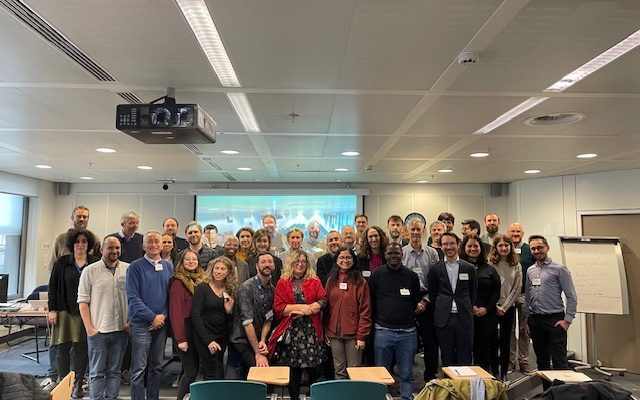
Advancing Collaboration: Inaugural Cluster Workshop on Numerical Tools and Early Warning Systems
Advancing Collaboration: Insights from the Inaugural Climate and Health Cluster Workshop on Numerical Tools and Early Warning Systems On February

Kim Robin van Daalen et al.
BMJ Global Health 2024;9:e015292
With 2023 shattering climate records across the world following decades of unprecedented warming, the United Nations Framework Convention on Climate Change Conference of Parties 28 (UNFCCC COP28) in Dubai was the first UN climate change conference to feature an official ‘Health Day’ and witnessed the largest-ever turnout of the global health community. The threat of climate change to human well-being and planetary health has previously received little attention at the annual COPs, despite ever-growing scientific evidence warning of the increasing health dangers.
DOI: 10.1136/bmjgh-2024-015292
Shouro Dasgupta et al.
EEA Report 01/2024
Chapter 14
On a global scale, one of the biggest threats to human health from climate change is the increase in climate-sensitive infectious diseases, driven by rising temperatures, droughts and water scarcity, torrential rains, floods and warming oceans, among other factors. 58% of infectious diseases confronted by humanity worldwide have at some point been aggravated by climate hazards. The impacts on Europe to date have been limited, but there is growing evidence that vector-borne, foodborne and waterborne diseases will increase in the coming decades.

One Health Approaches for Climate-Sensitive Infectious Diseases As part of the IDAlert project, Erasmus Medical Centre, is organising an International
Shouro Dasgupta et al.
EEA Report 01/2024
Chapter 7
Climate change-related warming and more frequent and intense extreme weather events, such as heatwaves, storms, floods and droughts, are already putting the health of the European population at increasing risk.
Frank Dentener et al.
EEA Report 01/2024
Chapter 6
Food production in Europe is intricately influenced by numerous climatic and non climatic factors, including droughts, heatwaves, biodiversity loss and socio-economic dynamics (Bednar-Friedl et al., 2022; Bezner Kerr et al., 2022). Climate change reshapes the conditions suitable for crop production, intensifies risks for weather-related crop/food losses, causes the introduction and establishment of new plant pests, increases the physical and biological risks to animal production systems and shifts the food web and species abundances relevant for fisheries.
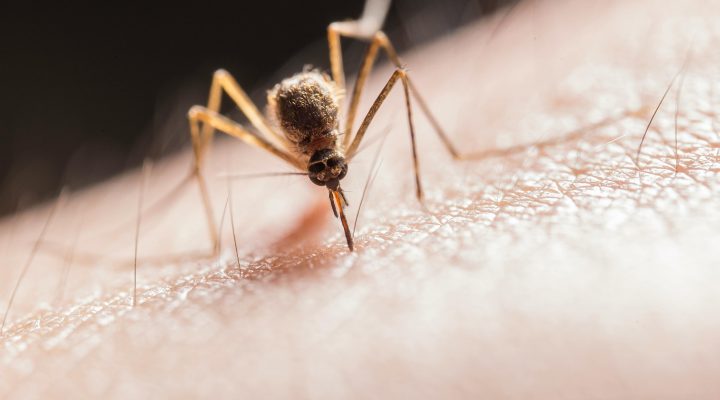
Field evaluation of an automated mosquito surveillance system which classifies Aedes and Culex mosquitoes by genus and sex
González-Pérez MI et al. – Parasit Vectors. 2024 Mar 1;17(1):97
Mosquito-borne diseases are a major concern for public and veterinary health authorities, highlighting the importance of effective vector surveillance and control programs. Traditional surveillance methods are labor-intensive and do not provide high temporal resolution, which may hinder a full assessment of the risk of mosquito-borne pathogen transmission. Emerging technologies for automated remote mosquito monitoring have the potential to address these limitations; however, few studies have tested the performance of such systems in the field.
DOI: 10.1186/s13071-024-06177