Strengthening mosquito-borne disease preparedness: lessons from Girona and Attica

How can local and regional authorities become better prepared for mosquito-borne disease risks in a changing climate?
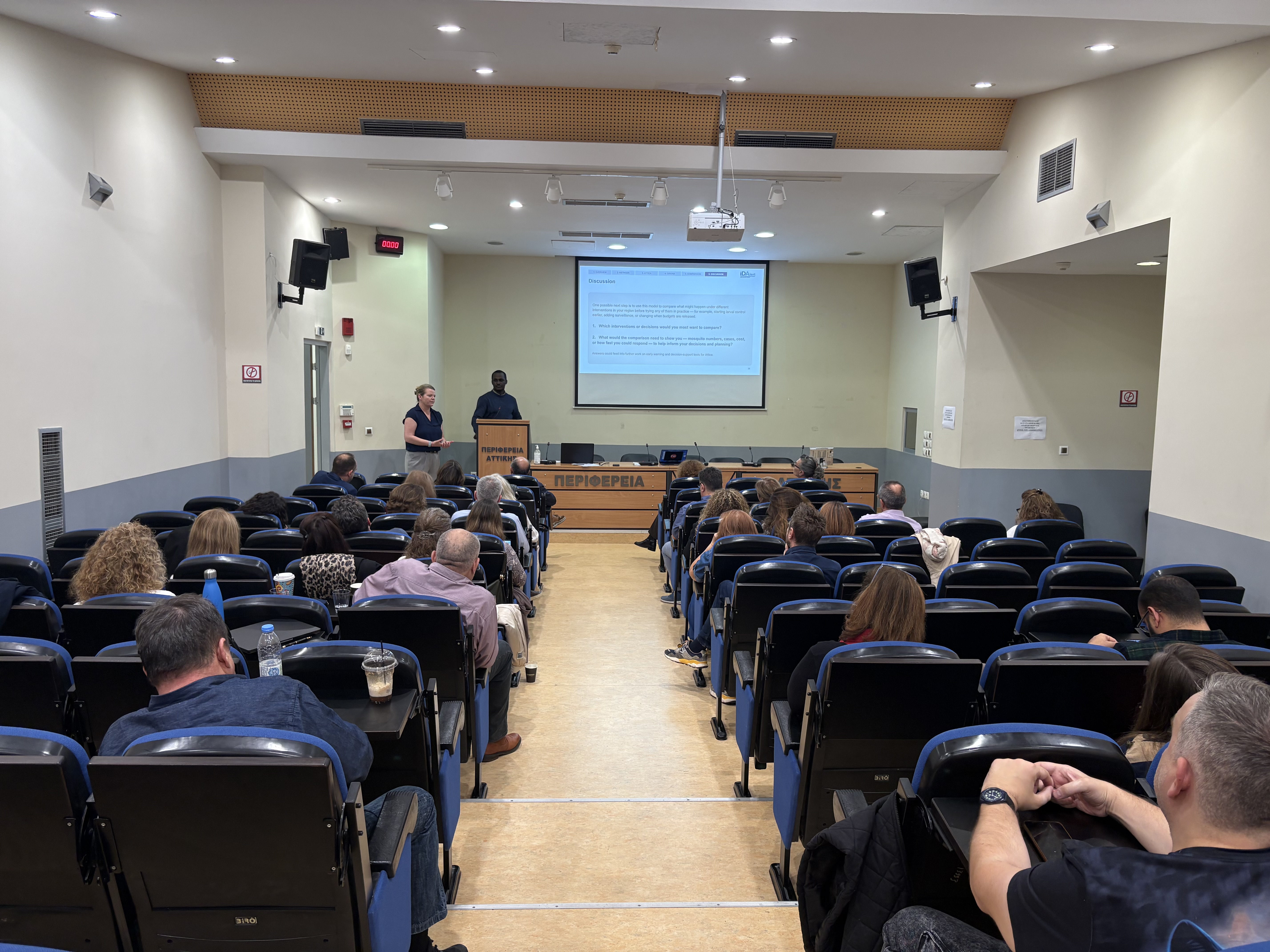
This question was at the centre of two IDAlert stakeholder dissemination workshops held in Girona, Spain, and Attica, Greece, in October 2026. The workshops brought together professionals working across public health, mosquito control, agriculture, environmental management, research, civil society and the private sector to discuss how mosquito-borne disease risks are currently managed and where further improvements are needed.
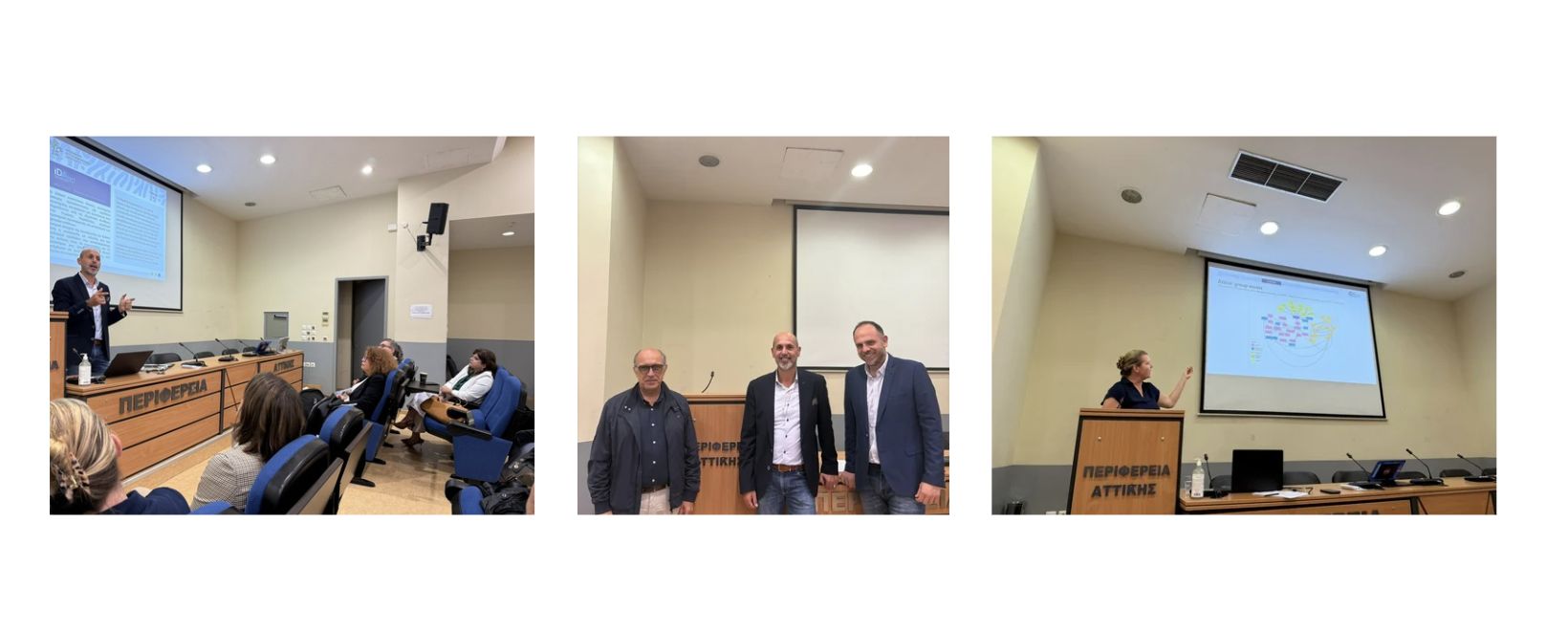
The workshops explore how European and national policies on climate change adaptation and zoonotic diseases are implemented at regional and local levels, with a particular focus on mosquito-borne diseases. Earlier work included interviews with stakeholders in both regions and the development of qualitative system dynamics models showing how institutions, policies, environmental conditions and interventions interact.
The October workshops provided an opportunity to present these findings back to stakeholders, compare them with their practical experience and identify areas where collaboration and preparedness could be strengthened.
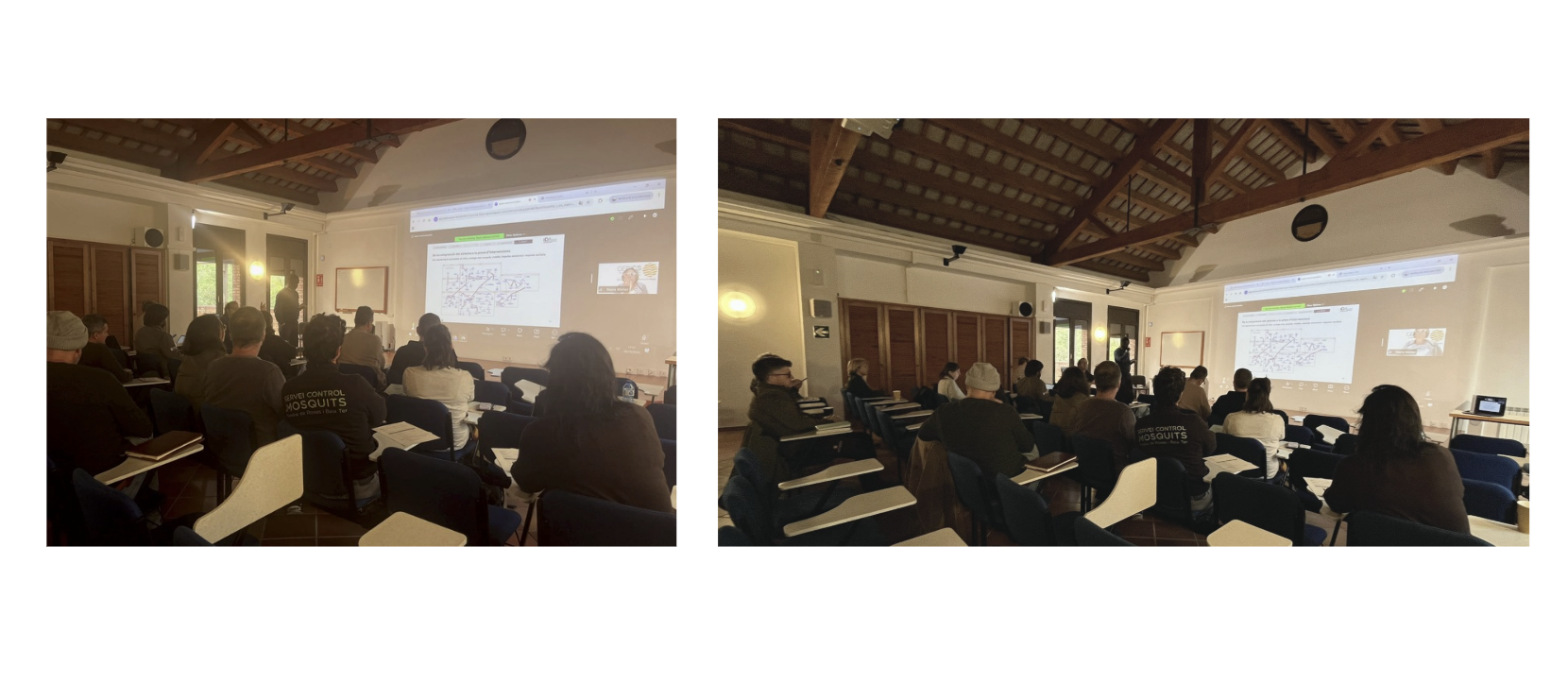
Stakeholder workshop in Girona, Spain
Different systems, common priorities
While the governance systems in Girona and Attica differ, the discussions highlighted several common challenges.
In both regions, stakeholders recognised a strong level of technical capacity, but also emphasised the importance of strengthening coordination between the different organisations involved in surveillance, mosquito control and public health response.
In Girona, participants highlighted the value of bringing human, animal and environmental health actors together more closely. They also discussed the importance of making outbreak response protocols more widely known among those expected to implement them and of testing these protocols through practical exercises.
In Attica, early warning and surveillance emerged as a particularly important priority. Participants stressed the value of beginning mosquito surveillance early enough in the season to detect viruses before human cases appear, while also strengthening epidemiological capacity and surveillance across animals and birds.
Communication matters as much as surveillance
Public awareness and communication were also central to the discussions.
Participants in Attica noted that communication should go beyond simply providing information. It is also important to understand whether people understand the messages they receive and whether this knowledge leads to changes in behaviour at home and in their communities.
Several participants identified the public as a priority audience and highlighted the potential role of schools and education, noting that habits established at a young age can have a lasting impact and that children can also bring knowledge back to their families.
From discussion to modelling
The workshops also helped shape the next phase of IDAlert’s modelling work.
Stakeholders proposed a range of scenarios and interventions they would like the system dynamics models to explore. These included the timing of water management and mosquito control measures, prevention compared with reaction, the costs and benefits of different surveillance approaches, school education, public awareness, social media communication and the possibility of starting interventions earlier based on weather forecasts.
The models are designed to compare different scenarios rather than predict exactly what will happen. The feedback collected during the workshops will therefore help ensure that the models reflect the realities and priorities of those working directly with mosquito surveillance, public health and disease preparedness.
Building more resilient local responses
The workshops confirmed that effective mosquito-borne disease preparedness requires more than surveillance alone.
It depends on early warning, clear coordination, preparedness, communication and strong links between institutions and communities. Participants also highlighted the growing importance of considering weather and climate conditions when deciding when surveillance and interventions should begin.
The insights gathered in Girona and Attica will now feed directly into the further development of IDAlert’s system dynamics models and help explore how different interventions could strengthen local responses to mosquito-borne disease risks.