Download Mosquito on the Move for printing and use at your own events, in schools, libraries and community spaces.
a public health campaign or an adventure story for all ages?
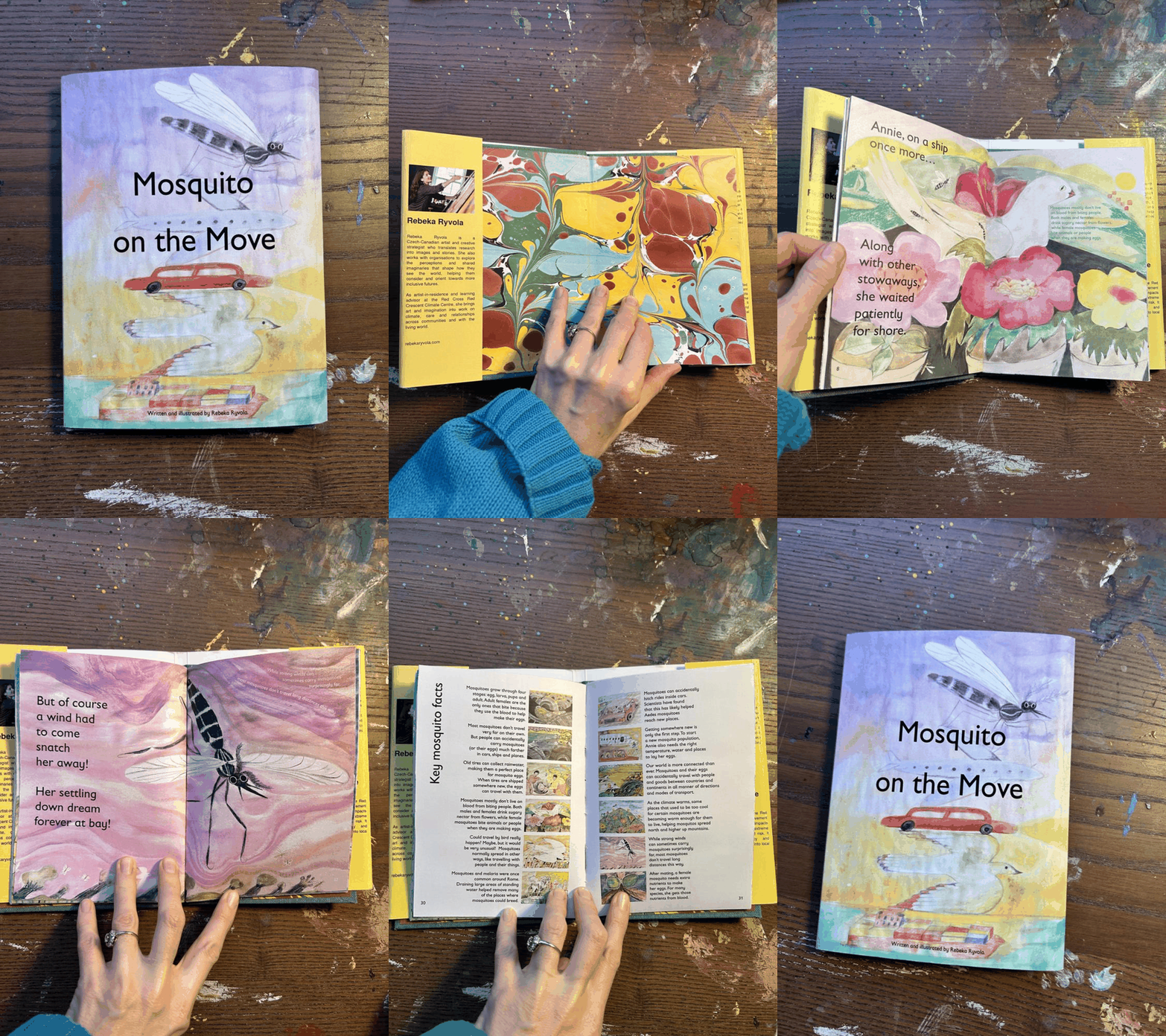
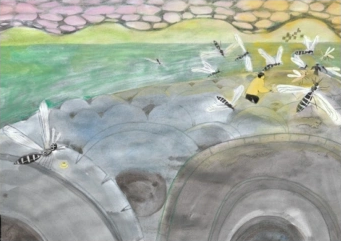
Annie the Aedes mosquito has no wish to see the world. She is a homebody, and her puddle deep down in an old tyre is more than enough. But when her tyre home is tossed ashore, staying put is no longer an option. So begins an unwilling adventure for one tiny traveller.
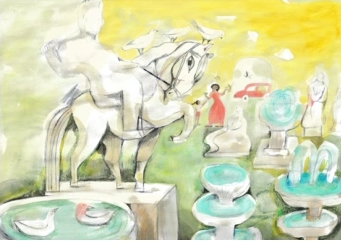
Written and illustrated by Rebeka Ryvola, Mosquito on the Move invites readers of all ages to follow Annie and discover how mosquitoes find their way into new places all around the world. Alongside the story are mosquito facts and everyday actions to help reduce their spread, all sourced from leading mosquito researchers.
This campaign follows IDAlert’s Time is Ticking campaign,continuing an exploration of how art can help people become participants in solving challenges related to climate change and public health.
Read online ⬇️
Key mosquito facts ✅
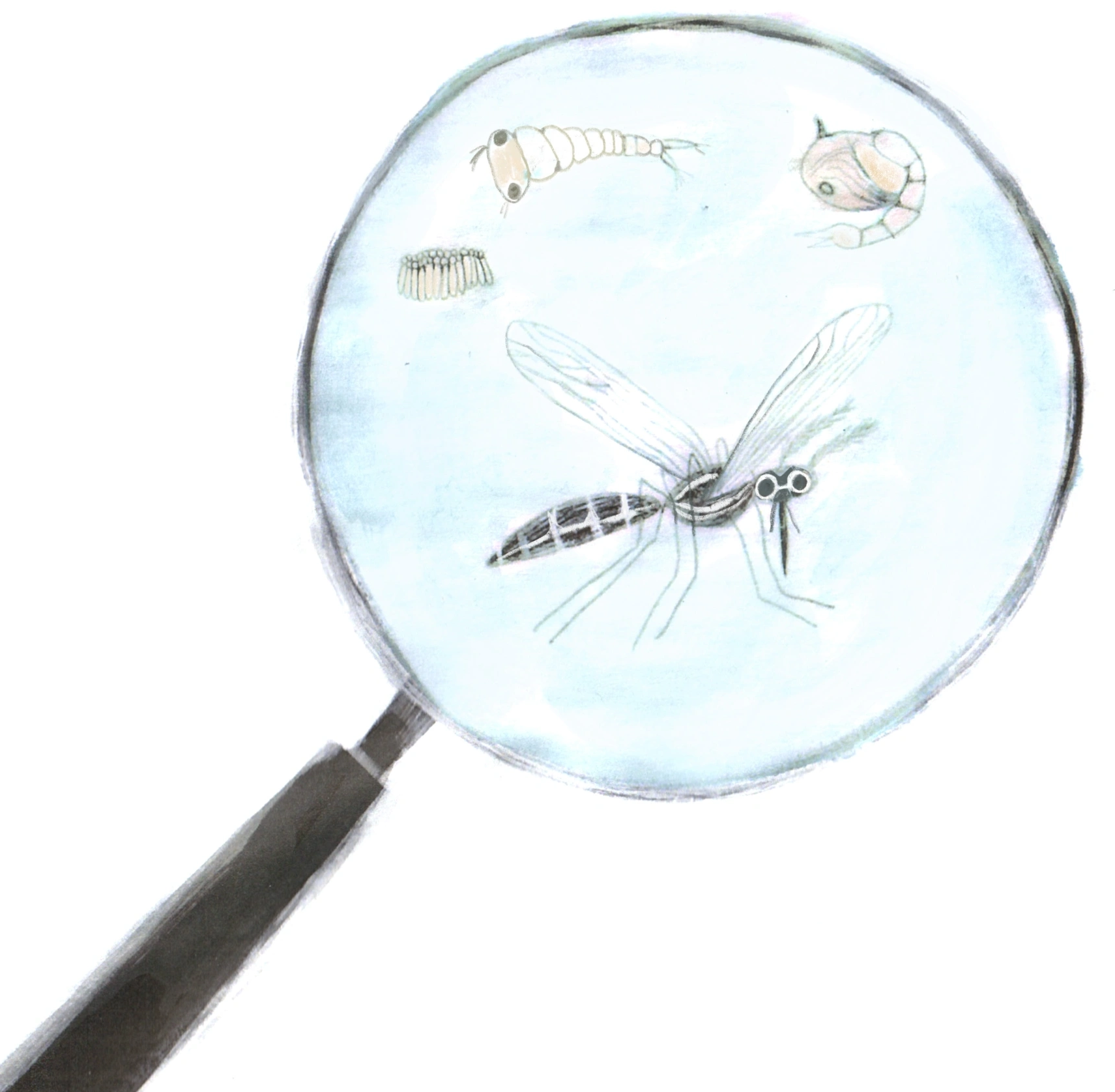
Mosquitoes grow through four stages: egg, larva, pupa and adult. Adult females are the only ones that bite because they use the blood to help make their eggs.
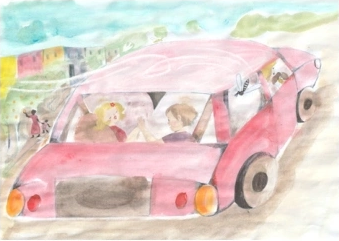
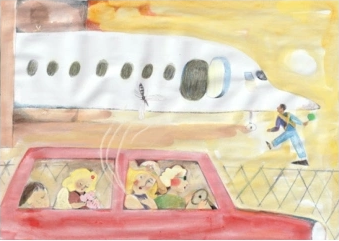
Mosquitoes can accidentally hitch rides inside cars. Scientists have found that this has likely helped Aedes mosquitoes reach new places.
Most mosquitoes don’t travel very far on their own. But people can accidentally carry mosquitoes (or their eggs) much farther in cars, ships and planes.
Getting somewhere new is only the first step. To start a new mosquito population, Annie also needs the right temperature, water and places to lay her eggs.
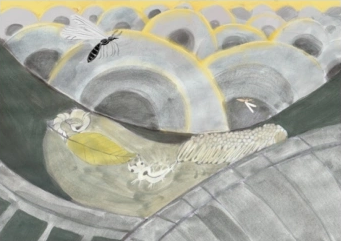
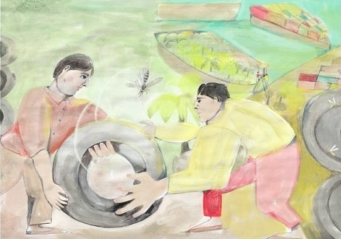
Old tyres can collect rainwater, making them a perfect place for mosquito eggs. When tyres are shipped somewhere new, the eggs can travel with them.
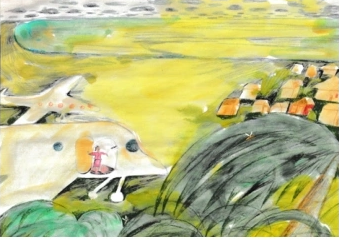
Our world is more connected than ever. Mosquitoes and their eggs can accidentally travel with people and goods between countries and continents in all manner of directions and modes of transport.
Mosquitoes mostly don’t live on blood from biting people. Both males and females drink sugary nectar from flowers, while female mosquitoes bite animals or people when they are making eggs.
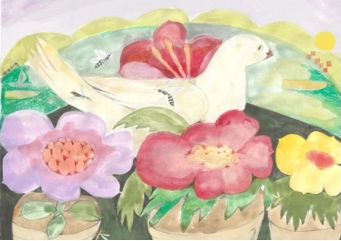
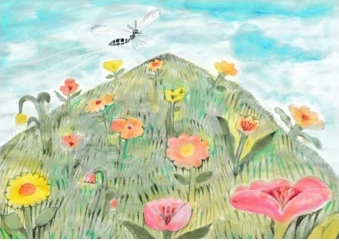
As the climate warms, some places that used to be too cool for certain mosquitoes are becoming warm enough for them to live, helping mosquitoes spread north and higher up mountains.
Could travel by bird really happen? Maybe, but it would be very unusual! Mosquitoes normally spread in other ways, like travelling with people and their things.
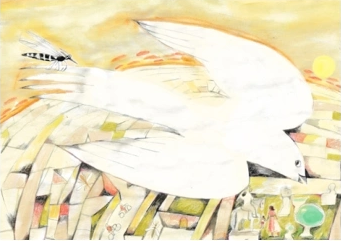
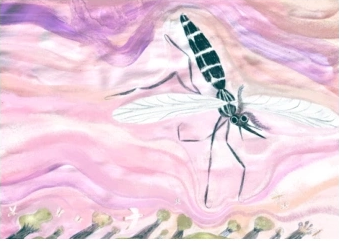
While strong winds can sometimes carry mosquitoes surprisingly far, most mosquitoes don’t travel long distances this way.
Mosquitoes and malaria were once common around Rome. Draining large areas of standing water helped remove many of the places where mosquitoes could breed.
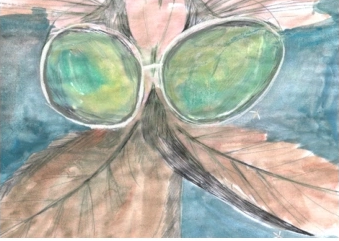
After mating, a female mosquito needs extra nutrients to make her eggs. For many species, she gets those nutrients from blood.
Help reduce the spread of mosquitoes ✋
MAP!
Upload photos of mosquito sightings in the Mosquito Alert app: mosquitoalert.com
OUTREACH!
Share this story and help tell Annie’s story!
SPRAY!
repellent on clothes and skin
QUAGMIRE!
Drain puddles and prevent standing water.
UNCLUTTER!
Scrubbing flower pots, clearing old tyres, cleansing bird baths, putting away toys… All of these help remove breeding grounds!
INSULATE!
Cover yourself in long sleeves and trousers when mosquitoes are out!
TRAVEL!
Read up on mosquito risks when you go to new places so you can know how to best protect yourself and what symptoms to look for.
OPENINGS!
Screen windows and doors to keep mosquitoes out.
Contributors

Written and illustrated by Rebeka Ryvola→
Rebeka Ryvola is a Czech-Canadian artist, creative strategist, and Learning Advisor with the Red Cross Red Crescent Climate Centre. She is interested in imagination, care, and collective future-building and is happiest in the sea or forest and with her family.
Informed by
| Tilly Alcayna | Meghan Bailey |
| Frederic Bartumeus | Chloe Chavardes |
| Margot Curl | João Encarnação |
| Junwen Guo | Rachel Lowe |
| John Palmer | Raman Preet |
| Ingrid van den Raad | Elizabeth Robinson |
| Joacim Rockloev | Jan Semenza |
| Liz Stephens |
Layout: Eszter Saródy
Print and share the book 📕



IDAlert has received funding from the European Union’s Horizon Europe programme under Grant Agreement 101057554.